Table of Contents
A Beginner’s Guide to 🇦🇲 Armenian Culture 🇦🇲| More Than Just History 🤔
So you want to dive into Armenian culture, huh? 🤔 Good choice. It’s a place that gets under your skin, in the best way possible. 😉 Forget what you think you know. We’re going deeper.
I remember my first time in Yerevan. I made the classic rookie mistake of trying to keep up with the toasts at a dinner party. 🍷 Let’s just say my head paid the price the next morning, but my heart was full. ❤️ That’s Armenia for you – an intoxicating mix of ancient history, fierce pride, and a warmth that’ll leave you speechless. 🤯
This isn’t going to be your typical, boring travel guide. Nope. We’re going to talk about the real stuff. The things that make Armenian culture tick. The stuff that will make you fall in love with this place, just like I did.

The Echo of History| A Story of Resilience 📜
To get Armenia 🇦🇲, you have to get its history. And I don’t just mean the fun facts. I mean the sheer, mind-boggling resilience of this nation. For centuries, Armenia’s location has been both a blessing and a curse, sandwiched between empires at the crossroads of the legendary Silk Road. Everyone from the Romans and Persians to the Ottomans and Soviets has left their mark.
This constant push and pull has forged a national character that is incredibly strong and proud. They’ve weathered storms that would have wiped other cultures off the map, a story common to much of the Caucasus, and if you’re exploring the region, you’ll see similar threads in my guide on the best things to do in Armenia. This history isn’t just in museums; it’s a living, breathing part of the national psyche. It’s in the fierce protection of their language, the devotion to their church, and the unbreakable bonds of their families. It’s the “why” behind so much of what you’ll experience.
A huge part of this story is the Armenian Diaspora. The tragic events of the Armenian Genocide in the early 20th century scattered millions of Armenians across the globe. Today, there are more Armenians living outside of Armenia than in it. This global community is incredibly connected to the homeland, and their influence is felt everywhere – from the vibrant culture of Los Angeles’ “Little Armenia” to the worlds of business, science, and the arts. Thinking about this global family really puts the strength of Armenian identity into perspective, doesn’t it?
So, What’s the Big Deal About Armenian Culture? 🇦🇲
First off, let’s get one thing straight. Armenia is old. Like, really, really old. 🏛️ It’s one of the most ancient countries in the world, first mentioned in 520 BC. It was the first nation to adopt Christianity as a state religion way back in 301 AD. Think about that. While other empires were still figuring things out, Armenia was building churches. 🙏 And not just any churches – we’re talking about architectural marvels that have stood for centuries.

But it’s not just about ancient history and religion. It’s about the people. 👨👩👧👦 Armenians are some of the most hospitable people you’ll ever meet. Seriously, don’t be surprised if a stranger invites you into their home for a meal. And if they do, go! You’ll be treated to a feast you won’t soon forget. 😋
The Holy Trinity|Family, Food, and Faith 🙏
To truly understand Armenian culture, you need to get a handle on these three pillars. They are the bedrock of society.
Family is Everything 👨👩👧👦
In 🇦🇲 Armenia, family isn’t just important; it’s the core of their identity. Extended families often live together, and there’s a deep respect for elders. You’ll often hear Armenians add the word “jan” after someone’s name, like “Anna jan”. It’s a term of endearment that shows affection and respect. It’s one of those little things that makes you feel instantly welcome. 🥰
Oh, the Food! 🤤
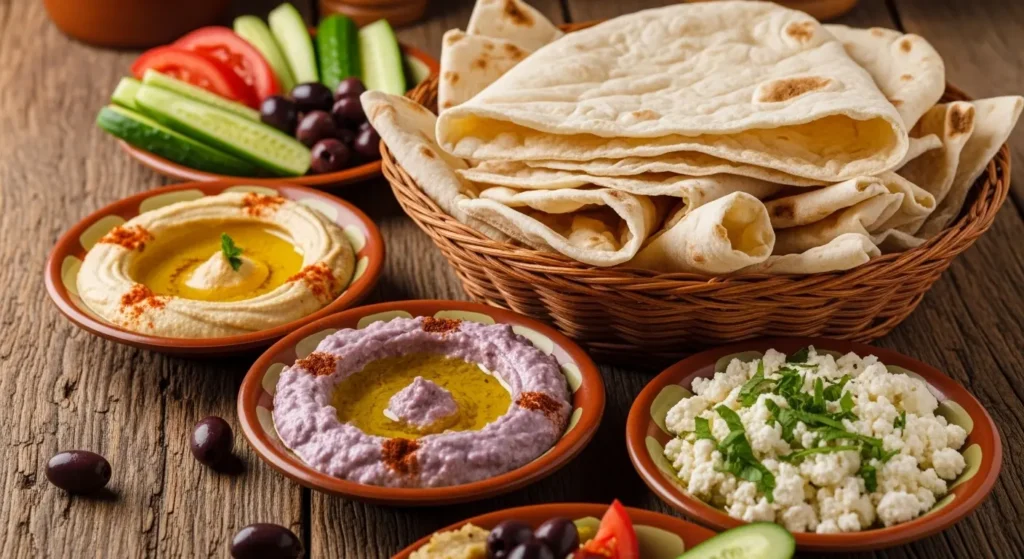
Armenian food is a revelation. It’s a rich tapestry of flavors influenced by the Mediterranean, the Middle East, and Eastern Europe. But it’s also uniquely its own. You’ll find familiar hints of flavors you might recognize from other culinary giants in the region, like those in my post on the top 10 street foods to try in Istanbul, but with a distinctly Armenian twist. At the heart of it all is a commitment to fresh, seasonal, and local ingredients. An Armenian meal is a celebration of the earth’s bounty.
You absolutely have to try khorovats, the Armenian barbecue. 🍖 It’s not just grilled meat; it’s a social event, a ritual. Then there’s dolma, grape leaves stuffed with minced meat and rice 🍇, and lavash, a soft, thin unleavened bread that’s on every table. 🍞 Lavash is so important, it’s officially recognized on the UNESCO Intangible Cultural Heritage of Armenia list!
Here’s a little table to get your taste buds tingling:
| Dish | Description | Why You Have to Try It |
|---|---|---|
| Khorovats 🍖 | Armenian barbecue, usually pork, lamb, or beef, grilled on skewers. | It’s a national obsession for a reason. The flavor is out of this world. |
| Dolma 🍇 | Grape leaves stuffed with minced meat, rice, and herbs. | A classic comfort food that’s both savory and satisfying. |
| Lavash 🍞 | A soft, thin unleavened bread baked in a clay oven called a tonir. | It’s more than just bread; it’s a utensil, a wrapper, and a symbol of Armenian culture. |
| Khash 🍲 | A thick soup made from cow’s hooves and tripe. | Okay, this one’s for the adventurous eaters. 🤪 But it’s a winter tradition and a serious hangover cure. |
| Ghapama 🎃 | A pumpkin stuffed with rice, dried fruits, and nuts. | A festive dish that’s as beautiful as it is delicious. |
| Manti | Tiny boat-shaped dumplings, stuffed with meat and served with a garlic-yogurt sauce. | It’s tedious to make but an absolute delight to eat. Comfort in a bowl! |
| Harissa | A thick porridge of cracked wheat and slow-cooked chicken or lamb. | A hearty, ancient dish that’s deeply woven into the nation’s history. |
And don’t even get me started on the drinks. Of course, there’s the ancient wine culture. But you must try Armenian brandy, particularly the stuff from the Ararat distillery. It’s legendary for a reason. Winston Churchill was famously a huge fan.
A Faith That Moved Mountains ⛪️

As the first Christian nation, religion is deeply woven into the fabric of Armenian life. You’ll see ancient monasteries perched on dramatic cliffs 🌄 and intricately carved khachkars (cross-stones) everywhere. These aren’t just tourist attractions; they are places of living faith. 🙏 When you visit a church or monastery, remember to be respectful. Dress modestly – that means no shorts or sleeveless shirts. Women should also bring a scarf to cover their heads.
The Soul of Armenia| Music, Dance, and Art 🎨
Armenian culture is bursting with artistic expression. It’s another way their identity has been so powerfully preserved.

Music of the Soul: You can’t talk about Armenian music without talking about the duduk. This ancient double-reed woodwind instrument, made from apricot wood, produces a sound that is hauntingly beautiful and melancholic. It’s often said to be the sound of the Armenian soul. It can make you feel a thousand years of history in a single note.
- Art That Tells a Story: The most iconic form of Armenian art is the khachkar, or cross-stone. These intricately carved stone slabs are found all over the country and are a UNESCO-listed art form. No two are exactly alike. They are not just religious symbols; they are memorials, works of art, and a testament to the skill of Armenian stonemasons.
- Dance of the Mountains: Traditional Armenian dances are often energetic, powerful group dances. The Kochari, for example, is a powerful dance of unity and strength, mimicking the movements of mountain goats. If you get a chance to see a performance (or even better, join in!), do it!
Yerevan Now| The Pink City’s Modern Vibe 🌆
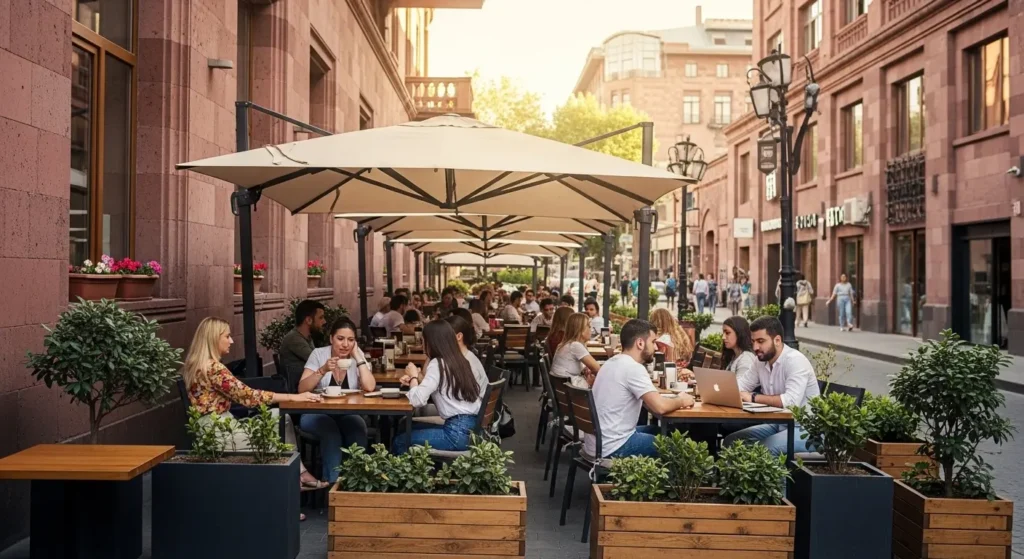
Yerevan is a city of wonderful contrasts. It’s known as the “Pink City” because so many of its buildings are constructed from the local pink volcanic stone, which gives the city a warm, rosy glow at sunrise and sunset.
The city is built around a grand central square, Republic Square, with its singing fountains and stately government buildings. From there, you can wander up to the Cascade Complex, a giant, art-filled stairway that offers the best views of the city and, on a clear day, the majestic Mount Ararat. I once spent an entire afternoon just sitting on the steps of the Cascade, watching the city buzz below. It’s the perfect spot to feel the city’s pulse.
But what I love most is the modern energy. Yerevan is teeming with cozy wine bars, third-wave coffee shops, and amazing restaurants. The city has a surprisingly booming tech scene, sometimes called the “Silicon Mountains.” It’s a city that honors its past while sprinting toward the future.
The Armenian Alphabet| A Work of Art ✍️

Have you ever seen the Armenian alphabet? It’s beautiful. 🎨 Created in 405 AD by Mesrop Mashtots, it’s a unique script that has been crucial in preserving the Armenian language and identity. You’ll see it everywhere, from ancient manuscripts to modern street signs.
A Few Dos and Don’ts for Your Trip 👍👎
Armenians are generally very forgiving of foreigners, but it always helps to know a little bit about the local customs.
Do: ✅
- Accept invitations. If someone invites you to their home, it’s a genuine offer of friendship. 🤝
- Try a little bit of everything. When you’re a guest, your host will pile your plate high. It’s polite to at least sample everything. 🍽️
- Make eye contact when you toast. Toasting is a big deal in Armenia. 🥂
- Learn a few words of Armenian. Even a simple “barev” (hello) or “shnorhakalutyun” (thank you) will be appreciated. 🗣️
Don’t: ❌
- Refuse a toast. It’s considered rude.
- Talk about the Armenian Genocide in a casual way. This is a deeply sensitive topic. Approach it with respect and a listening ear.
- Be afraid to ask for help. Armenians are incredibly helpful and will go out of their way to assist you. 😊
- Mix up Armenia and its neighbors. Show you’ve done a little homework. It’s appreciated!
Beyond Yerevan| Exploring the Countryside 🚗💨
Yerevan is a vibrant and exciting city, but the real soul of Armenia is in the countryside. 🏞️ Rent a car and get out of the city. You’ll discover breathtaking landscapes, ancient monasteries, and charming villages.

Here are a few places you shouldn’t miss:
- Tatev Monastery: A 9th-century monastery complex that you can reach by the world’s longest reversible cable car. 🚠 The views are absolutely jaw-dropping.
- Lake Sevan: One of the largest high-altitude freshwater lakes in the world. 🌊 It’s a great place to relax, swim, and eat some delicious local fish.
- Dilijan: Known as the “Little Switzerland” of Armenia, this spa town is surrounded by lush forests. 🌳 It feels like a different world.
- Areni Wine Region: Did you know that Armenia is one of the oldest wine-producing regions in the world? 🍷 The Areni-1 cave complex is home to the world’s oldest known winery, dating back over 6,000 years!
- Noravank Monastery: Tucked away in a narrow gorge of red cliffs, the color of this monastery against the rock is something you’ll never forget.
Frequently Asked Questions (FAQs) 🤔
Q: Is Armenia safe for tourists?
A: Yes, Armenia is a very safe country with a low crime rate. ✅ As with any travel, just use common sense and be aware of your surroundings.
Q: What is the best time of year to visit Armenia?
A: Spring (April-May) 🌸 and autumn (September-October) 🍂 are the best times to visit. The weather is pleasant, and the landscapes are at their most beautiful.
Q: Do I need a visa to visit Armenia?
A: Citizens of many countries, including the US, EU, and UK, can visit Armenia visa-free for up to 180 days per year. ✈️ Be sure to check the latest requirements before your trip.
Q: What is the currency in Armenia?
A: The currency is the Armenian Dram (AMD). 💰 Credit cards are widely accepted in Yerevan, but it’s a good idea to have some cash on hand, especially when you’re traveling in the countryside.
Q: Can I drink the tap water?
A: In Yerevan, the tap water is generally safe to drink. The city even has public drinking fountains called pulpulaks. Outside the capital, it’s best to stick to bottled water.
The Final Word ✨
So, there you have it. A whirlwind tour of Armenian culture. But honestly, this just scratches the surface. To truly understand this incredible country, you have to go and experience it for yourself. You have to taste the food, meet the people, and stand in awe of those ancient monasteries.
Trust me, it’s a trip you’ll never forget. 🇦🇲❤️
By Yaz Explore | YazExplore
E-X-P-L-O-R-E without limits at YazExplore