Table of Contents
🇬🇷 Greek Culture| A Beginner’s Guide to Not Looking Like a Tourist 😬 🇬🇷
Ever rocked up to a taverna at 6 PM, starving, only to find it emptier than a philosopher’s wallet? 😬 Or maybe you tried to wave at a local and got a stare that could curdle milk? Yeah, I’ve been there. On my first trip to Greece, I committed the ultimate sin: I tried to rush. I had a checklist, a tight schedule, and absolutely no clue. 🤦♀️ I learned the hard way that Greek culture isn’t something you “do”; it’s something you feel. It’s messy, it’s loud, it’s beautifully chaotic, and it runs on its own damn time.
Forget the glossy tourist brochures for a second. We’re not here to talk about just the Acropolis and pretty beaches. 🏖️ We’re going to get into the real stuff: the heart, the soul, and the beautiful, confusing, and hilarious quirks of Greek culture that make this place truly unforgettable. It’s time to stop being a tourist and start thinking like a traveler. And trust me, it’s way more fun.
Ready? Let’s dive in. 🏊♂️
The Unspoken Rules| How Not to Look Like a Total Tourist 🤫
First things first, let’s get you up to speed on the local customs. The little things make a big difference. They’re the secret handshake that shows you’ve done your homework. 🤓
1. The “Moutza” – The Hand Gesture You Must Avoid 🖐️🛑
This is a big one. You might think you’re waving hello, but an open palm, fingers extended, pushed towards someone is a massive insult called the “moutza.” Seriously. Don’t do it. It’s like the ultimate “talk to the hand.” 🙅♀️ If you want to wave, keep your fingers together. Or better yet, just nod and smile. It’s safer. 😊
2. “Siga-Siga” – The Slow-Down Philosophy 🐢
If you’re a Type-A planner (like I was), this will be your biggest challenge. Siga-siga means “slowly, slowly.” It’s the unofficial mantra of Greece. Nothing happens quickly here. Coffee ☕ is a two-hour affair. Dinner starts when most other countries are thinking about bed (around 9 or 10 PM 🌙). Trying to rush it will only lead to frustration.
I once saw a tourist practically have a meltdown because his ferry was 30 minutes late. The locals just shrugged. What’s the big deal? It’ll get there. Have another coffee. This isn’t a bug; it’s a feature. Have you ever felt that travel itineraries are just too packed? The Greeks have figured out the solution. Relax. You’re on Greek time now.
3. The Art of “Philoxenia” (It’s More Than Just Hospitality) 🥰
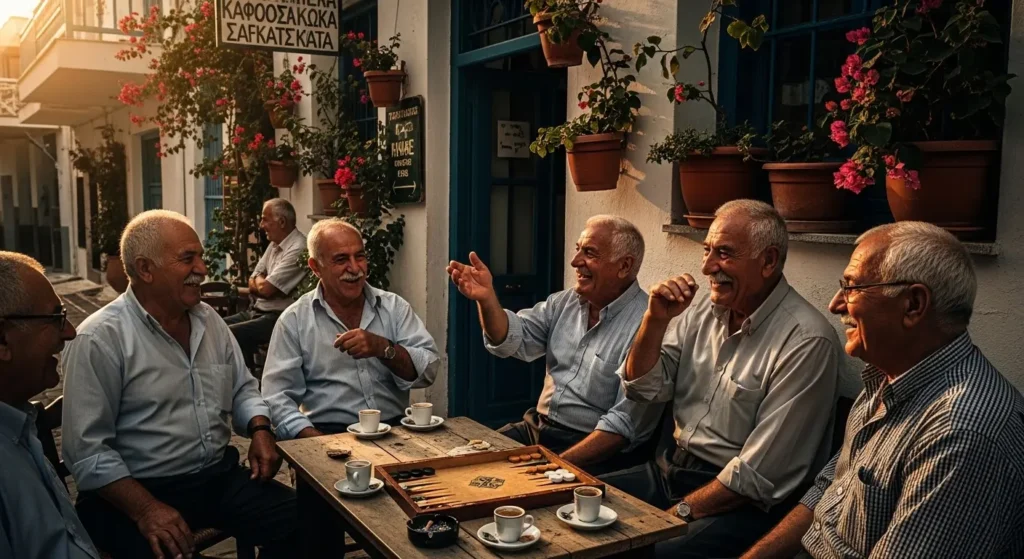
The word philoxenia literally translates to “friend to a stranger,” but that doesn’t even begin to cover it. It’s an ancient code of conduct, a sacred duty to welcome and care for visitors. Don’t be surprised if a shop owner offers you a shot of ouzo, or a family invites you to their table for a meal. This is a core part of their identity. 🤗
My hot take? This is what makes Greece truly special. In a world that often feels divided, the Greeks will open their doors and hearts to you. Accept their offerings graciously. It’s not a trick; it’s a gift. Refusing can actually be seen as impolite.
A Taste of Greece| It’s Not Just Moussaka 😋
Let’s be real, the food is a huge part of the experience. But thinking Greek food is just gyros and moussaka is like saying American food is just hamburgers. 🍔 There’s so much more to it.
The Greek diet is the heart of the Mediterranean way of eating: fresh vegetables 🍅🍆, legendary olive oil, amazing cheeses 🧀, and fresh-caught seafood 🐙. It’s a culinary tradition that, much like other ancient food cultures, is built on simple, high-quality ingredients. For instance, the way Greek cuisine reveres its core components reminds me of the deep respect for spices you’ll find in Indian food. If you’re a foodie, you’ll find that same passion for flavor here. You can learn more about how another ancient culture approaches its cuisine in this guide to Indian food.
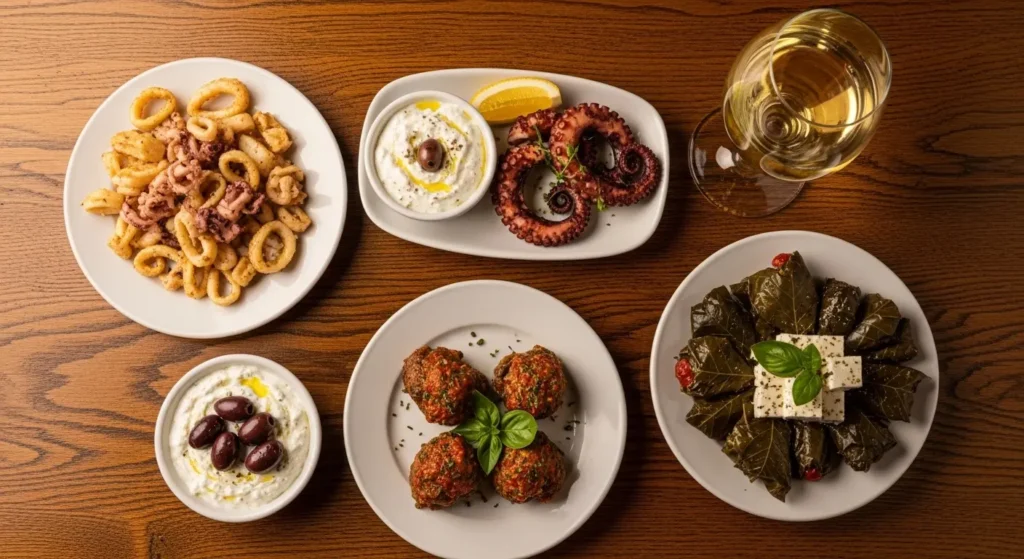
To get you started, here’s a table of must-try dishes beyond the usual suspects:
| Dish Name | Description | Why You’ll Love It |
|---|---|---|
| Tomatokeftedes | The meat is so tender that it just falls off the bone. The flavor is out of this world. 🤯 | It’s like a taste of summer in every bite. 🍅 |
| Fasolada | A hearty white bean soup, often called the “national food of Greece.” | It’s pure comfort in a bowl. Simple, nutritious, and incredibly satisfying.🥣 |
| Pastitsio | A baked pasta dish with ground meat and a creamy béchamel sauce. | Think of it as Greek lasagna, but dare I say, even better? It’s a carb-lover’s dream. 🤤 |
| Kleftiko | Lamb slow-cooked with lemon 🍋, garlic, and herbs, traditionally in a sealed parcel. | The meat is so tender it just falls off the bone. The flavor is out of this world. 🤯 |
| Common Greek Cheeses | Region of Origin | Tastes Great With |
|---|---|---|
| Feta | Mainland & Islands | Salads, pastries, or just drizzled with olive oil. 🥗 |
| Graviera | Crete, Naxos | A hard, nutty cheese perfect with fruit or wine. 🍇🍷 |
| Kasseri | Macedonia, Thessaly | A semi-hard, stringy cheese, amazing in sandwiches. 🥪 |
| Manouri | Macedonia, Thessaly | A creamy, fresh whey cheese, often used in desserts. 🍰 |
Planning Your Greek Odyssey| A Few Pro Tips 🗺️
So, you’re convinced. You need to go. ✈️ But where to start? Planning a trip to Greece can feel overwhelming with its hundreds of islands and ancient sites. But don’t worry. The key principles of smart travel planning are universal. Just as you’d map out a journey through the green hills of Ireland, you need a solid game plan for the blue waters of the Aegean. For some great general travel planning advice, check out these Ireland vacation secrets—many of the tips apply here, too!
Hot Take: Stop trying to see everything in one trip. 🛑 I’ve seen people try to cram Athens, Mykonos, Santorini, and Crete into a single week. It’s a recipe for disaster. You’ll spend more time on ferries ⛴️ and in airports than actually enjoying yourself. Pick one island group (like the Cyclades or the Ionian islands) and explore it properly. Greece rewards slow travel.
When to Go? The Great Season Debate 🤔
| Season | Pros | Cons |
|---|---|---|
| Spring (Apr-Jun) | 🌸 Pleasant weather, fewer crowds, everything is green. | The weather can be less predictable 🌦️, some things start to close. |
| Summer (Jul-Aug) | ☀️ Hottest weather, best for swimming, vibrant nightlife. 💃 | Huge crowds, highest prices 💸, can be overwhelmingly hot. |
| Autumn (Sep-Oct) | The weather can be less predictable 🌦️, and some things start to close. | 🍂 Still warm, fewer crowds, the sea is perfect for swimming. |
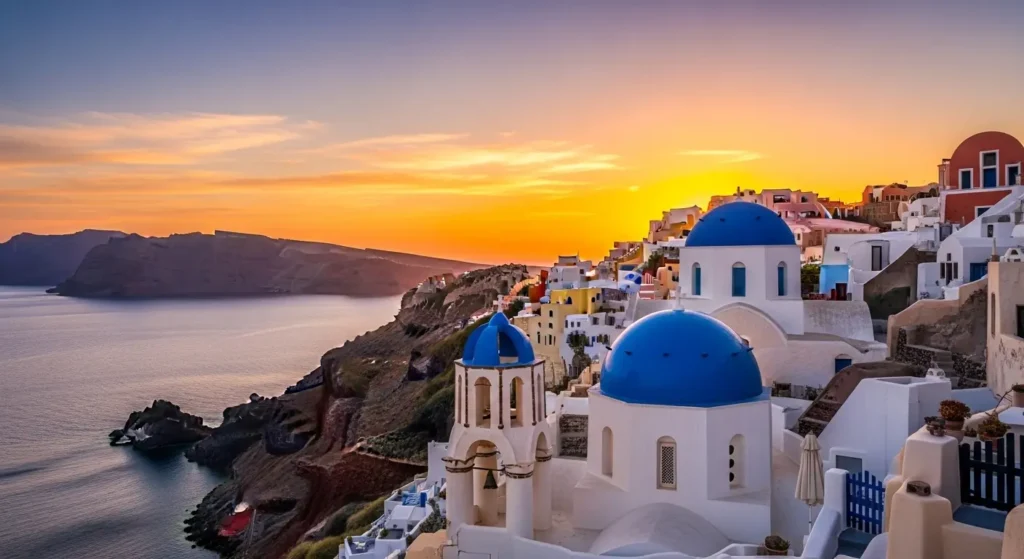
Beyond the Acropolis| Digging Deeper into History 📜
Yeah, the Parthenon is breathtaking. You should absolutely see it. But Greek history is so much more than just Athens. 🏛️ We’re talking about a civilization that has evolved for thousands of years, from the Minoans to the Romans, the Byzantines to the Ottomans. Each era has left its mark. For a truly deep dive, you can explore more about this incredible history from authoritative sources like Britannica.
Where to Go for a History Fix:
- Crete: Explore the ruins of the Minoan civilization at Knossos. It predates Classical Greece by centuries! 🤯
- Delphi: Walk the Sacred Way to the Temple of Apollo, where the Oracle once gave her prophecies. The energy of this place is unreal. ✨
- Olympia: Stand on the original starting line of the ancient Olympic Games. Yes, really. It’s a powerful feeling. 🏃♂️
- Meteora: Visit the monasteries perched impossibly on top of massive rock pillars. It feels like a scene from another world. 😲

FAQs| Your Quick-Fire Questions Answered ❓
Q: Do I need to speak Greek?
A: In tourist areas, most people speak English. But learning a few basic phrases will earn you a lot of smiles. Try “Yassas” (hello), “Efcharisto” (thank you), and “Parakalo” (please/you’re welcome). It goes a long way! 👍
Q: Is it true you can’t flush toilet paper in Greece?
A: Yep, it’s true in many places, especially on the islands. The plumbing is old and narrow. You’ll see a little bin next to the toilet. Use it. It’s weird at first, but you get used to it. Trust the process! 😂
Q: How much should I tip?
A: Tipping isn’t as big a deal as in the US. In restaurants, rounding up the bill or leaving a few extra euros for good service is appreciated but not mandatory. 10% is considered generous. 💰
So, there you have it. A beginner’s guide to not just visiting Greece, but truly experiencing it. The most important thing to remember? Let go. Let go of your tight schedule, your expectations, and your inhibitions. Drink the local wine, stay up late, talk to strangers, and get a little lost. That’s where you’ll find the real Greece. And it’s so much better than anything you’ll find in a guidebook.
Now, go book that ticket. 😉👋
By Yaz Explore | YazExplore
E-X-P-L-O-R-E without limits at YazExplore