Table of Contents
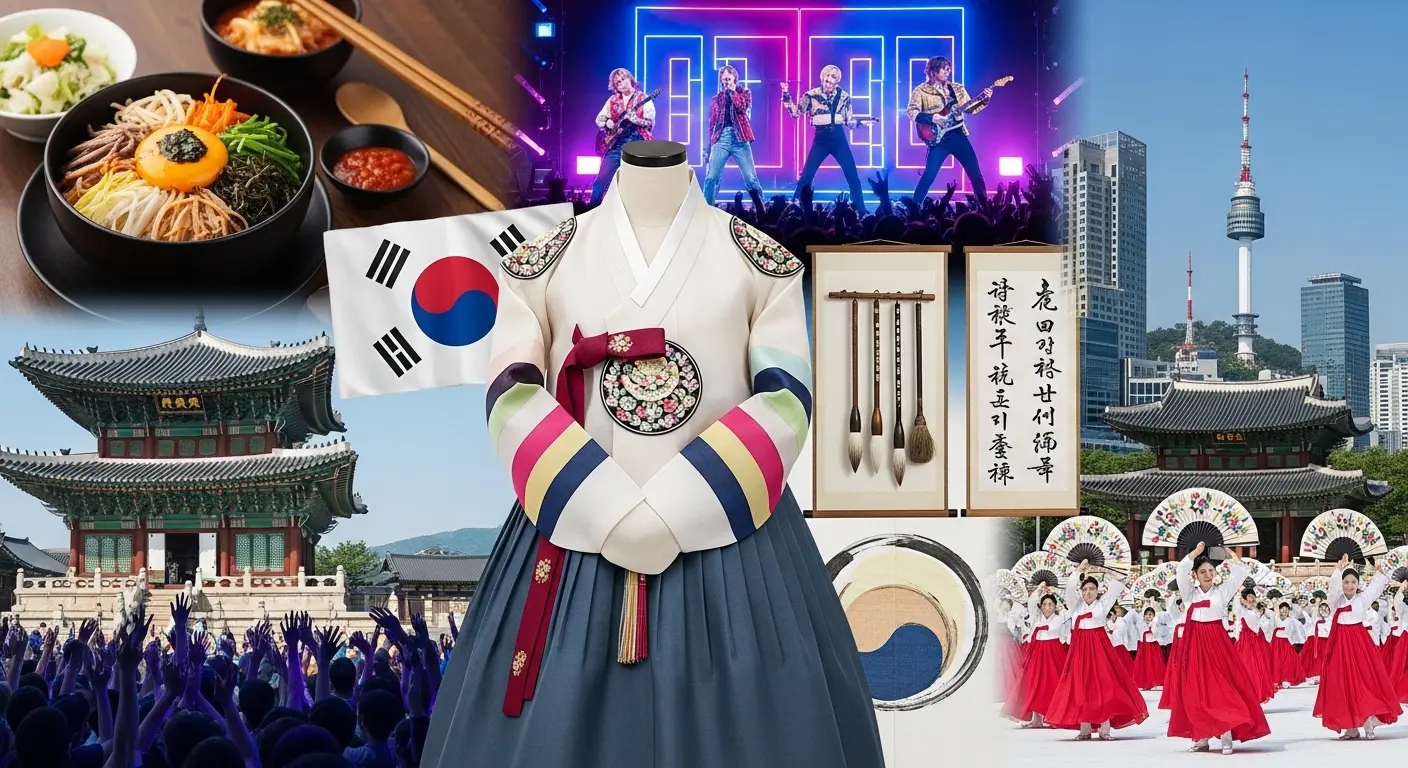
South Korean Culture 🇰🇷
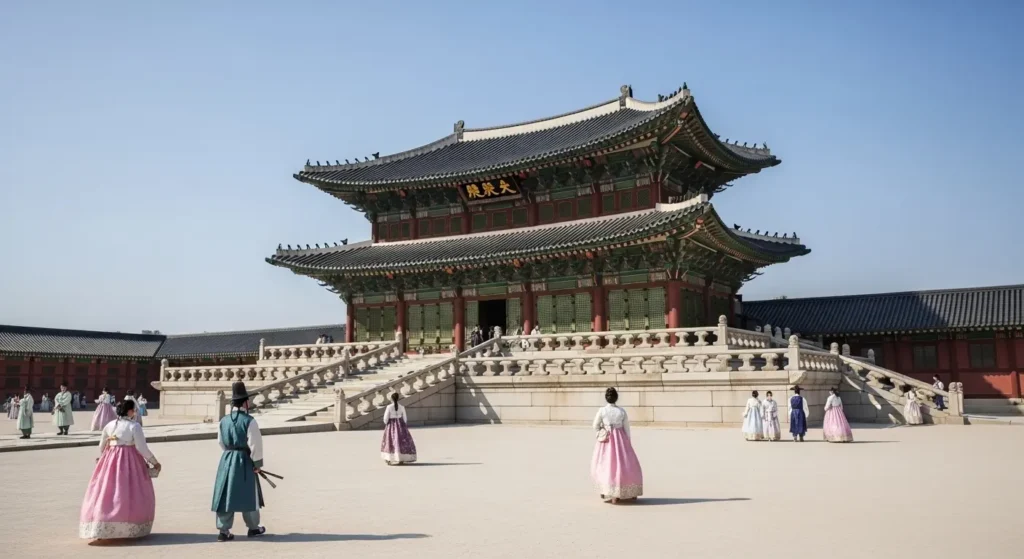
You think you know a place. You’ve seen the pictures 🖼️, you’ve watched the movies 🎬, maybe you’ve even got a BTS song or two on your playlist. 🎶 I get it. I walked into Seoul for the first time years ago, confident I had a handle on things. I went straight to Gyeongbok Palace, ready to snap some pretty pictures. 📸 But as I stood there, watching the changing of the guard, I saw an old man bow deeply towards the main throne hall, and it hit me. 🤯 This wasn’t just a tourist attraction; it was a living, breathing piece of history so deep and dramatic it puts most TV shows to shame. 😱
To really get 🇰🇷 South Korean culture, you can’t just look at the shiny surface of today. ✨ You have to dig a little deeper. ⛏️ You have to understand the grit, the resilience, and the ancient philosophies that bubble just beneath the surface of this incredible country. This isn’t a history lesson, I promise. 🙅♀️ Think of it more like me giving you the cheat codes to understanding what makes Korea, well, Korea. Let’s get into it. 🚀
The Ghost of Joseon| Why Your Elders Matter 👻
Ever wonder why there’s such a big emphasis on respecting your elders in Korea? 🤔 It’s not just a nice thing to do; it’s a 500-year-old legacy. We’re talking about the Joseon Dynasty, the longest-ruling Confucian dynasty in Korean history. And let me tell you, their influence is everywhere.
Confucianism, in a nutshell, is all about social harmony and order. It created a clear social hierarchy: ruler over subject, father over son, husband over wife, and elder over younger. Now, a lot of that has evolved, thank goodness 🙏, but the core idea of respecting those older or in a higher position than you? That’s stuck around. It’s why you pour drinks for others and not yourself, why the oldest person at the table starts eating first, and why you’ll see people bow to their boss. It’s a cultural reflex baked into the national DNA. 🧬
So, what does this mean for you, the traveler? 👇
| Situation | The Joseon Connection | How to Handle It |
|---|---|---|
| Giving or receiving items | Showing respect to a superior/elder. 🙇 | Use two hands to give or receive anything, even a credit card. 💳 |
| Addressing someone | The hierarchy is built into the language. 🗣️ | Stick to last names with “Mr.” (ssi) or professional titles. Avoid first names unless you’re invited to. 😉 |
| Dining with others | Age-based seniority is paramount. 👴👵 | Let the elders sit first, eat first, and speak first. It’s a simple sign of respect. 👍 |
A History of Hardship|The Resilience You Can Feel 💪
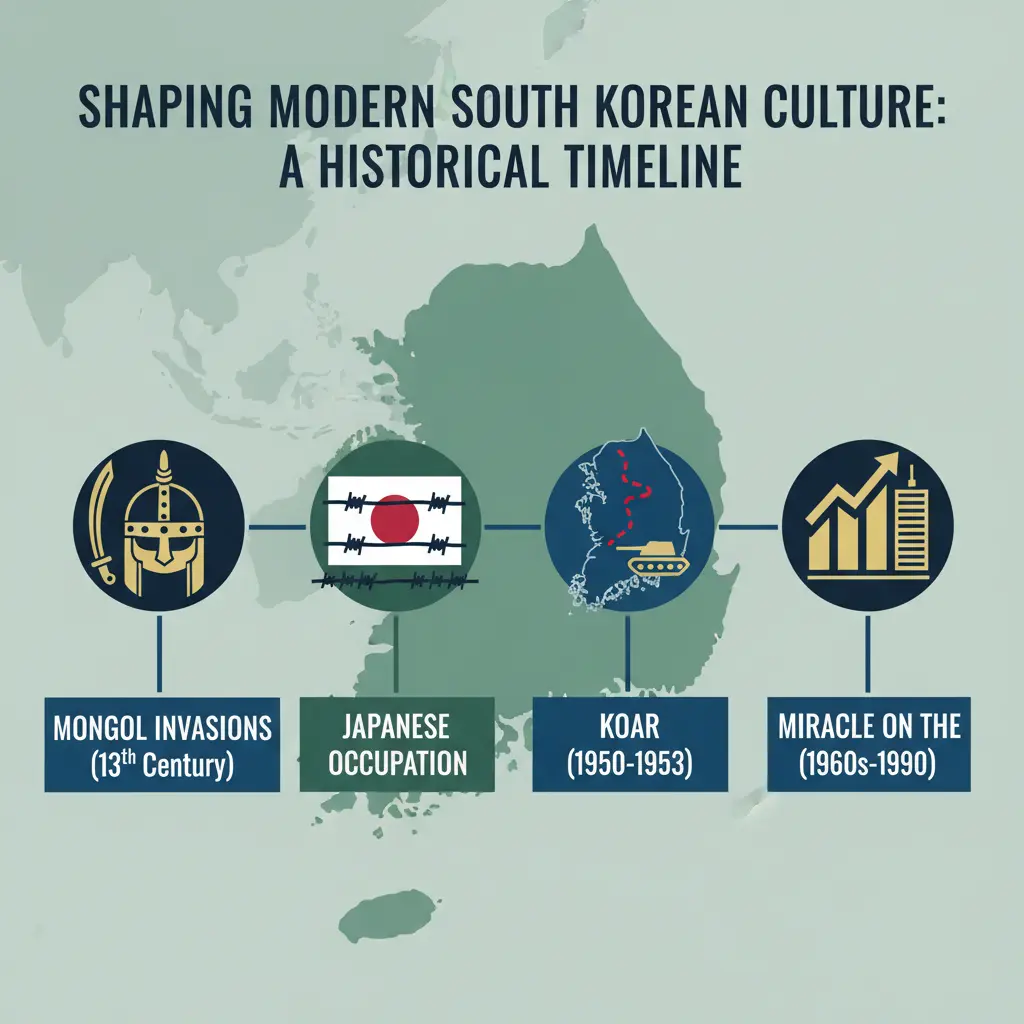
Korea’s history is, to put it mildly, intense. This is a peninsula that has been invaded, colonized, and fought over for centuries. From the Mongols in the 13th century to the brutal Japanese occupation in the 20th century, this nation has seen it all. Then, it was torn in two by the Korean War. 💔 Tragic, right? But here’s the thing about being pushed down that often: you get really, really good at getting back up.
This history has created a fierce sense of national identity and a powerful collective spirit known as jeong (정). It’s a deep, almost untranslatable concept of connection, loyalty, and community. It’s why you’ll see strangers helping each other, why food is almost always shared, and why there’s such a strong “we’re in this together” vibe. 🫂 This isn’t just a country; it’s a team.
And their ability to bounce back? Just look at the “Miracle on the Han River.” 🌊 In a few short decades, South Korea went from being one of the poorest countries in the world to a global economic powerhouse. 💰 That’s not luck; that’s pure grit. You can feel that energy pulsating through the streets of Seoul.
From Ancient Script to K-Pop Beats 📜➡️🎤
So how does a country with such a deep, traditional, and often painful history become the pop culture capital of the world? 👑 It’s all connected.
Think about Hangeul, the Korean alphabet. It was created by King Sejong the Great in the 15th century because he wanted a writing system that everyone could learn, not just the elite. It was a move for the people. 👨👩👧👦 That same spirit of innovation and accessibility is what fuels the Hallyu (Korean Wave) today. K-pop and K-dramas are designed to be catchy, relatable, and easy to consume on a global scale. They are, in a way, the modern-day Hangeul.

Even the competitive nature of the K-pop industry, the intense training, and the perfectly synchronized performances can be traced back to the hyper-competitive society that emerged after the war. When you have to rebuild a nation from scratch, you value hard work, perfection, and a relentless drive to be the best. 💯 For a deeper dive into the food that fueled this nation, check out this post on South Korean Food: Must-Try Dishes for Beginners.
Celebrating Through the Year| Korea’s Major Holidays 🎉
If you really want to see history and culture in action, try to time your visit with one of Korea’s major holidays. This is when traditions aren’t just remembered; they’re lived. Families gather, ancient rituals are performed, and there’s amazing food everywhere. Heads up, though: cities can get very quiet as everyone travels to their hometowns.
| Holiday | When it Happens | What it’s About |
|---|---|---|
| Seollal (Lunar New Year) | 1st day of the lunar calendar (usually Jan/Feb) | The biggest holiday of the year! Families gather, honor ancestors, eat rice cake soup (tteokguk), and children get money. 🧧 |
| Chuseok (Korean Thanksgiving) | 15th day of the 8th lunar month (usually Sep/Oct) | A harvest festival to thank ancestors for the good crops. People eat special rice cakes (songpyeon) and visit ancestral graves. 🌾 |
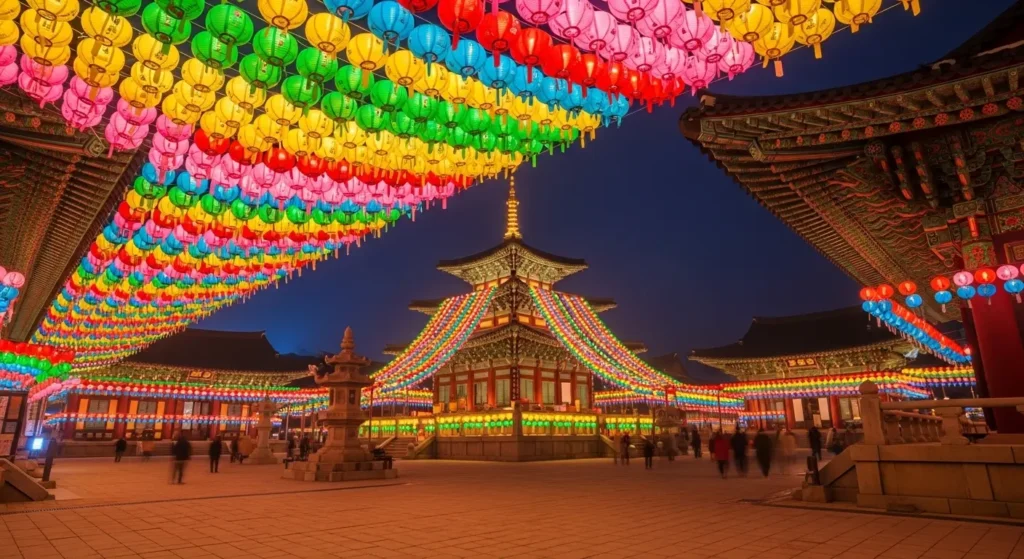
| Buddha’s Birthday | 8th day of the 4th lunar month (usually May) | A beautiful, serene holiday. Temples are decorated with thousands of colorful lanterns, creating a magical sight. 🏮 |
| Hangeul Day | October 9th | A day to celebrate the invention of the Korean alphabet, Hangeul. It’s a celebration of Korean identity and innovation. ✍️ |
FAQs for the History-Curious Traveler 🙋♀️
Q: Do I need to know a lot of history to enjoy South Korea?
A: Not at all! You can have a fantastic time just enjoying the food 🍜 and sights 🏙️. But knowing a little bit of the “why” behind the culture will make your interactions richer and your appreciation for the country that much deeper. ❤️
Q: Are Koreans open to talking about their history, especially the war?
A: It depends on the person and the context. The Korean War is still a very painful and present topic for many, especially the older generation. It’s best to approach the subject with sensitivity and listen more than you talk. 🤫 The DMZ tour is a powerful place to learn, but remember it’s a place of real historical weight. You can find more practical travel tips in Your First South Korea Vacation: The Unforgettable Beginner’s Guide.
Q: Where can I see history outside of Seoul?
A: Oh, everywhere! 🗺️ I highly recommend a trip to Gyeongju, the ancient capital of the Silla Kingdom. It’s often called “the museum without walls.” For more official information on historical sites, the UNESCO World Heritage list for Korea is a fantastic resource to start your planning. 📝
So, when you’re in South Korea, and you see a group of office workers going out for a loud, communal BBQ, you’re not just seeing dinner. You’re seeing Jeong. When you bow to the old woman who runs the corner store, you’re not just being polite; you’re echoing 500 years of Confucian philosophy. The history isn’t just in the palaces and museums; it’s in the way people live their lives every single day. And once you see it, you can’t unsee it. It’s the key 🔑 to unlocking a truly incredible travel experience.
Go explore. Be curious. And have the time of your life. ✌️🇰🇷