Table of Contents
Japanese Culture 🇯🇵 Isn’t What You Think| A Beginner’s Guide
So, you’re thinking about Japan. 🤔 Maybe you’ve binged a ton of anime 🍥, seen gorgeous photos of temples on Instagram 📸, or you’re just fascinated by a place that feels like it’s from another planet. 👽 And you want to understand the culture. Good. But most of what you’ve heard? It’s probably wrong. 😵 Or at least, it’s only half the story.
I remember my first trip to Japan; I walked right into a friend’s house with my shoes on. 👟 The silence was deafening. 😬 I’ve never taken my shoes off faster in my life. It was a classic newbie mistake, but it taught me a huge lesson: Japanese culture isn’t just about bowing and bullet trains. It’s a deep, intricate web of respect, tradition, and unspoken rules. 🕸️
Today, we’re cutting through the noise. ✂️ We’re going to talk about what Japanese culture really is, from the perspective of someone who’s spent a decade getting it wrong, so you don’t have to.
Let’s get into it. 👇
The Foundation| Wa (和), Harmony, and Reading the Air 🌬️
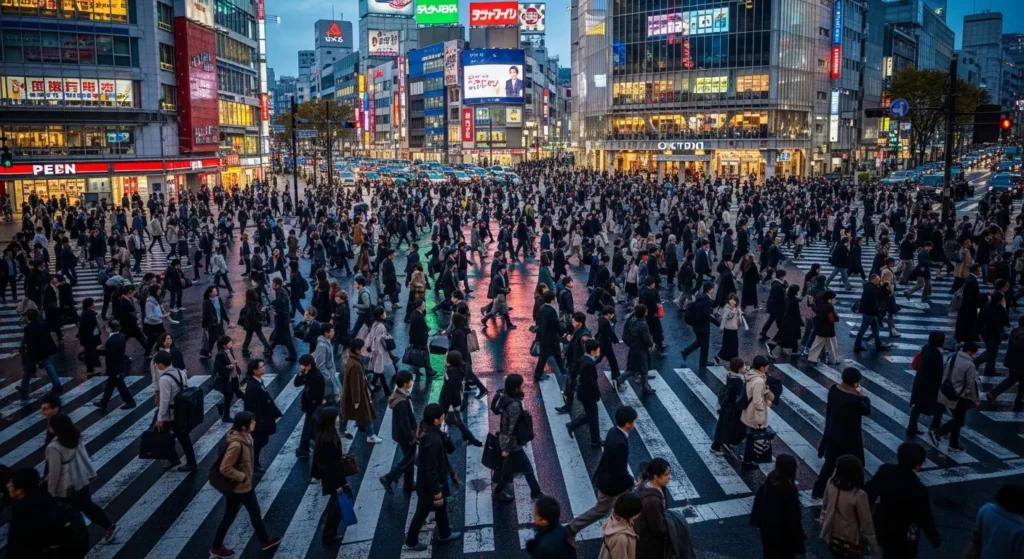
First thing you gotta get your head around is the concept of Wa (和). The simple translation is “harmony,” but it’s so much more. It’s the underlying social glue of the entire country. 💖 It’s about prioritizing the group’s well-being over individual desires. It’s why people line up so orderly for the train 🚆 and why public spaces are kept impossibly clean. ✨
This leads to a skill that’s crucial in Japan: kūki o yomu (空気を読む), which literally means “reading the air.” 🌬️ It’s the ability to sense a situation and understand what’s expected of you without anyone saying a word. Are your colleagues staying late? You probably should, too, even if you’ve finished your work. 💻 Is your friend being quiet? Maybe don’t press them to talk. It’s a social sixth sense. And for outsiders? It can be maddening. 🤯
Have you ever been in a meeting where no one says “no” directly, but you can feel the disagreement? 🙋♀️ That’s reading the air in action.
The Twin Faces 👴👵 of Japan| Tradition Meets Hyper-Modernity
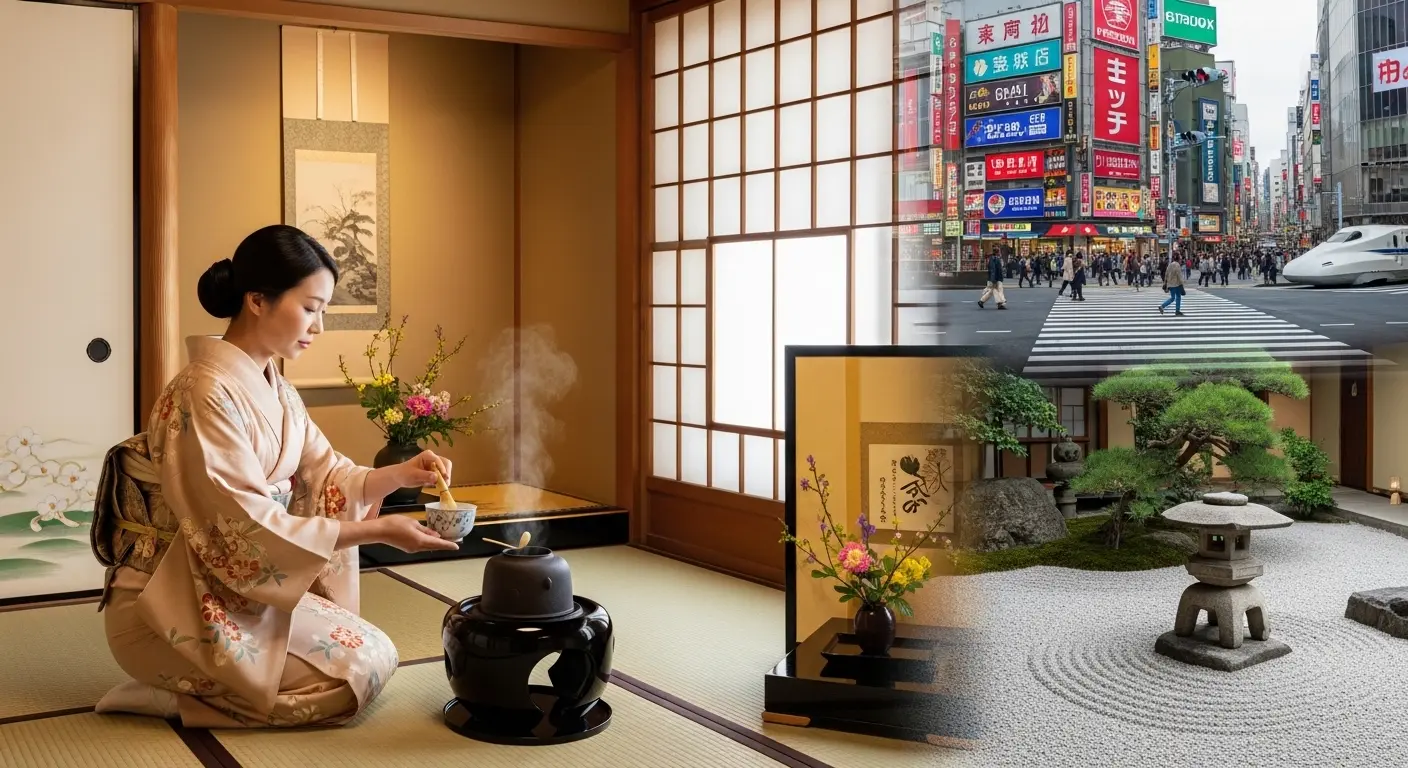
One of the wildest things about Japanese culture is how it can be deeply traditional and unbelievably futuristic at the same time. You can walk from a serene, 1,000-year-old Shinto shrine right into a district filled with screaming neon signs, robot cafes 🤖, and fashion that looks like it’s from the year 3000. 🧑🚀
This isn’t a contradiction. It’s a balance. ⚖️
The Traditional Side (Don’t Touch That! 🤫)
- Respect for Elders & Hierarchy: This is huge. In business and family life, age and status dictate everything. You use more formal language (keigo) with your boss or an older person. 👴👵
- Shinto & Buddhism: These two religions coexist peacefully and shape daily life. People visit shrines for good luck in exams and temples to pray for their ancestors. It’s less about strict dogma and more about rituals and traditions. (You can check out our other travel guides on Japan’s spiritual sites for more on this!) 🙏
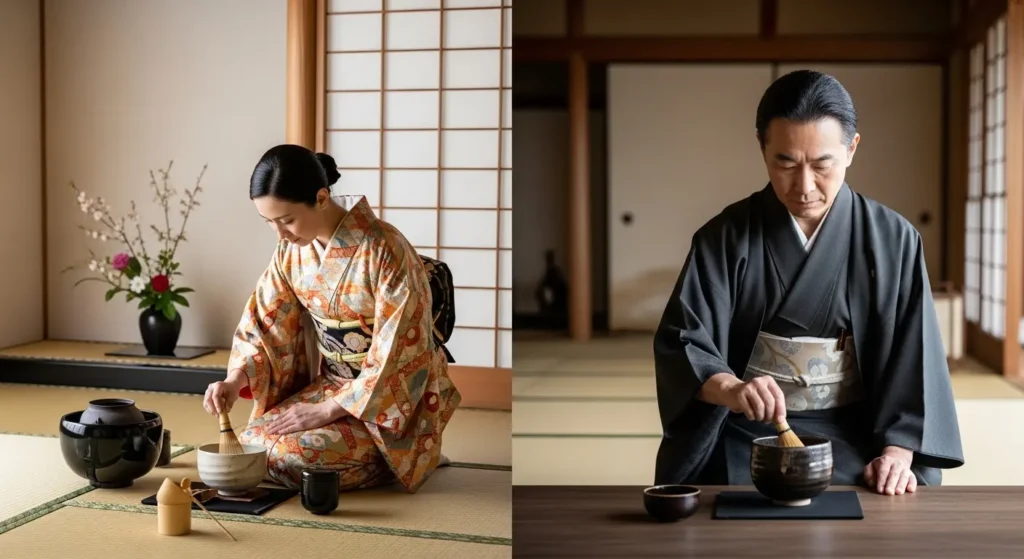
- The Arts: Things like ikebana (flower arranging 💐), sadō (tea ceremony 🍵), and kabuki (Japanese Culture) are not just hobbies; they are disciplined practices that have been passed down for centuries.
The Modern Side (The Future is Now 🚀)
- Kawaii Culture: The culture of “cuteness” is everywhere. 🎀 From cartoon characters on bank advertisements to Hello Kitty-themed airplanes. ✈️ It’s a way of injecting softness and joy into the mundane.
- Tech & Innovation: Japan gave the world the bullet train, the Walkman, and countless video games. 🎮 There’s a national obsession with efficiency, convenience, and, well, cool gadgets. Vending machines sell everything from hot coffee to fresh eggs. It’s amazing. 🤩
- Anime & Manga: This isn’t just for kids. It’s a massive, respected art form and industry that tackles every genre imaginable, from high school romance to complex political thrillers. 💥
| Aspect | Traditional Expression | Modern Expression |
|---|---|---|
| Aesthetics | Wabi-sabi (finding beauty in imperfection) 🍂 | Kawaii (cuteness) & futuristic design ✨ |
| Social Life | Formal tea ceremonies 🍵 | Themed cafes (cats 🐈, maids, robots 🤖) |
| Entertainment | Kabuki and Noh theater 👺 | Anime, manga, and J-pop 🎤 |
Hot Take| Stop Obsessing Over Cherry Blossoms 🌸
Okay, can I be real for a second? ☕ Everyone loses their minds over sakura (cherry blossoms). 🌸 And yes, they’re beautiful. But they’re also insanely crowded, expensive, and fleeting. 💸
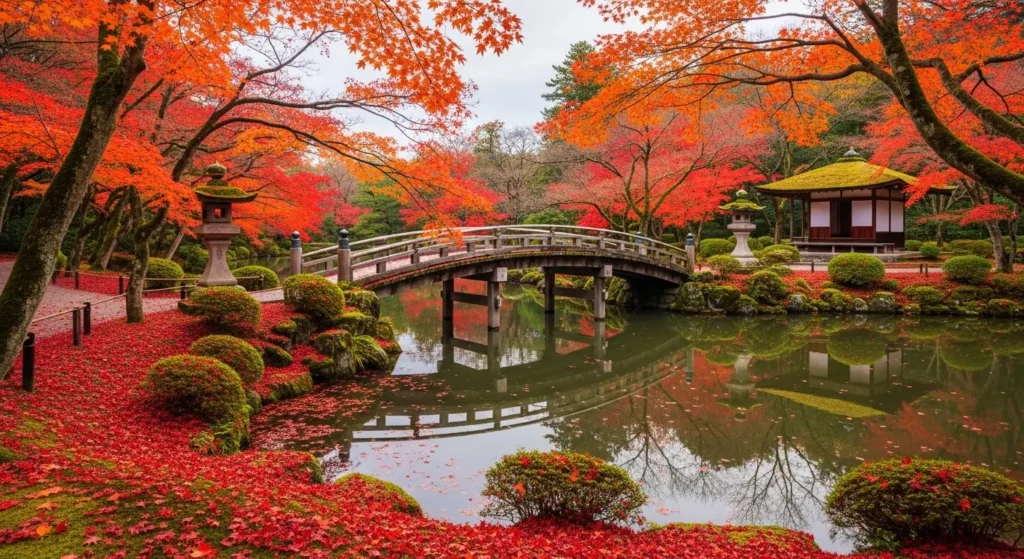
The real magic is in the autumn. 🍁
The season for viewing autumn leaves is called kōyō (紅葉). It’s when the Japanese maples turn fiery shades of red, orange, and yellow. ❤️🧡💛 It lasts longer, it’s less crowded, and in my opinion, it’s even more breathtakingly beautiful than the pale pink of sakura. So if you want a truly unique experience, plan your trip for October or November. You won’t regret it. Promise. 😉
The Art of Hospitality| Omotenashi
You’ll hear the word omotenashi thrown around a lot. It’s often translated as “hospitality,” but it’s more like a wholehearted, selfless desire to anticipate a guest’s needs before they even know they have them. 🥰
It’s the taxi driver whose doors open automatically. 🚕 It’s the carefully wrapped package from a department store. 🎁 It’s the hot towel you get at a restaurant before you even order. 🧖♀️ It’s a huge source of national pride. But here’s the trick: it’s not servile. The person providing the service is doing so with immense pride and professionalism. Your role as the guest is to be appreciative and respectful.
This is a stark contrast to the “customer is always right” mentality. In Japan, the customer is a guest, and there’s a mutual respect that defines the interaction. 🤝
For a great overview of this and other social norms, the Japan National Tourism Organization (JNTO) has a fantastic guide. It’s a lifesaver.
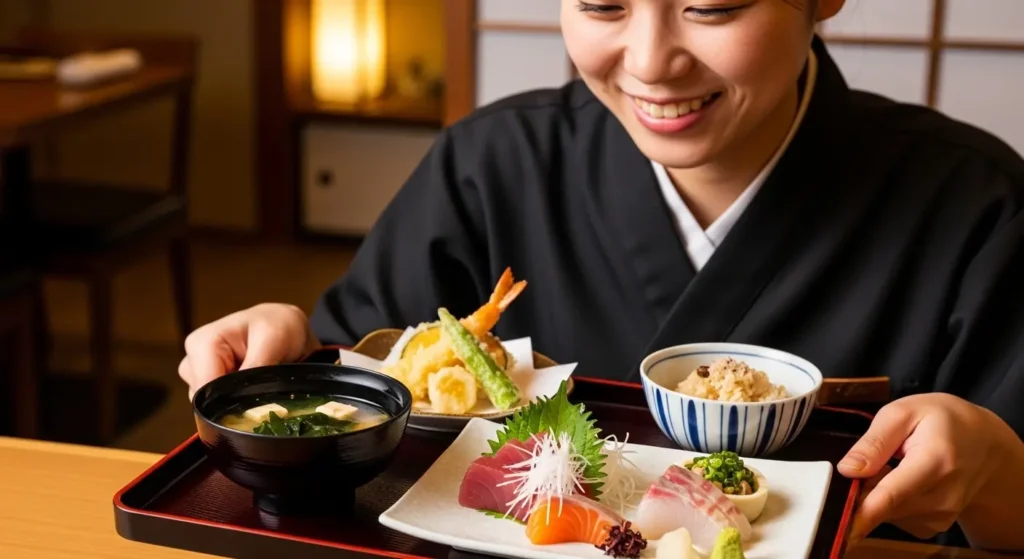
Table Manners & Food Culture 🍜| It’s More Than Just Sushi
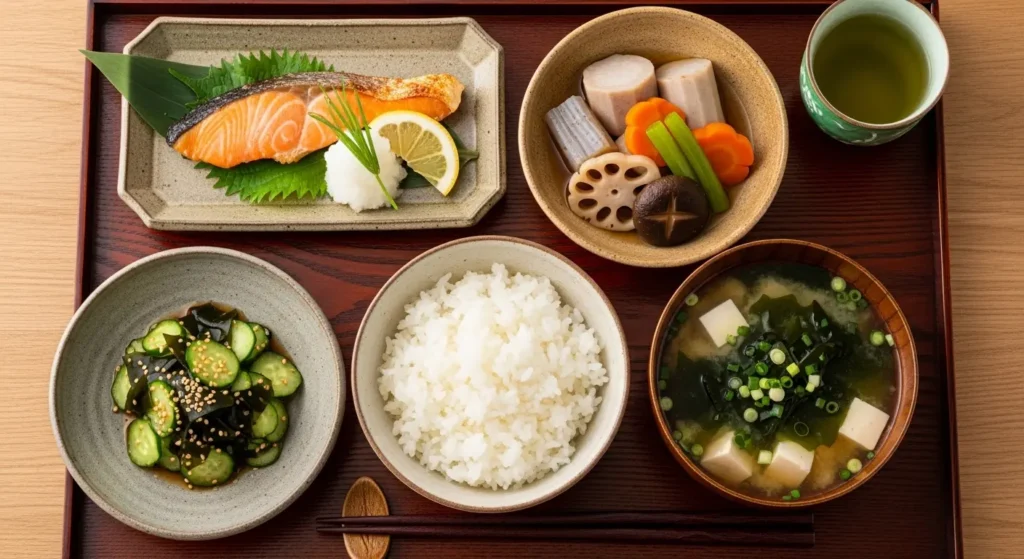
Japanese food, or washoku, is a UNESCO Intangible Cultural Heritage. 🍣 And for good reason. It’s not just about what you eat; it’s about how you eat it. If you’re planning a trip, you need to know the basics. (Want the full scoop? I break it all down in our ultimate foodie guide to Japanese food !)
A Few Quick Rules:
- Don’t stick your chopsticks upright in your rice. 🚫 This is done at funerals. It’s a huge no-no.
- Slurping your noodles is a sign of enjoyment! 🍜 So go ahead and make some noise with that ramen. It’s a compliment!
- Don’t pour your own drink if you’re with others. You pour for everyone else, and someone will pour for you. 🍻
| Do | Don’t |
|---|---|
| Do slurp your noodles. ✅ | Don’t stick chopsticks in your rice bowl. ❌ |
| Do lift your soup/rice bowl to eat. ✅ | Don’t pass food from your chopsticks to another’s. ❌ |
| Do say itadakimasu before eating. ✅ | Don’t pour soy sauce all over your white rice. ❌ |
Frequently Asked Questions (The Stuff You’re Afraid to Ask)
Q: Is it rude to not finish my food in Japan?
A: It’s generally considered polite to finish everything on your plate, especially the rice. 🍚 It shows appreciation for the meal. But if you’re absolutely stuffed, it’s not a mortal sin to leave a little. 🙏
Q: Do I need to speak Japanese to visit?
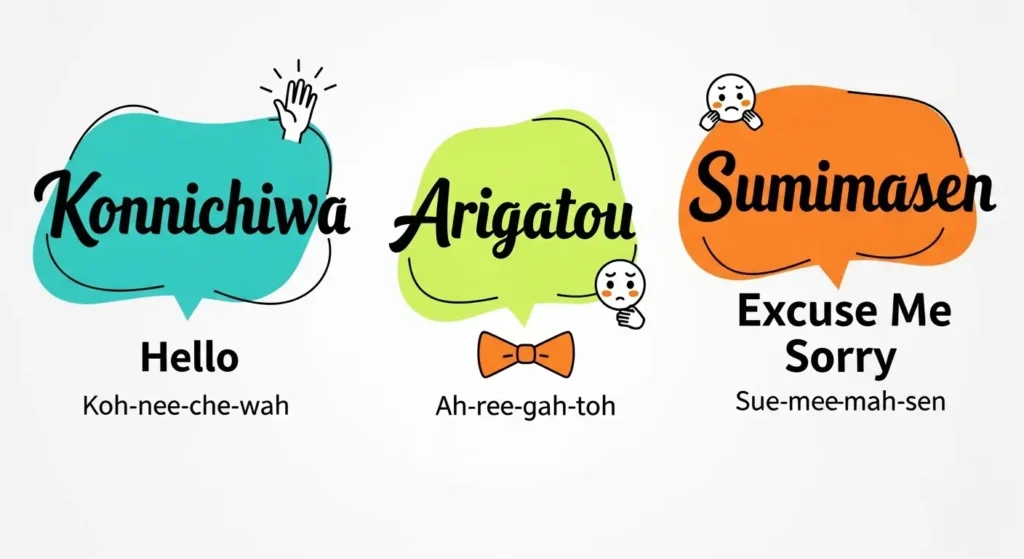
A: Not necessarily, especially in big cities like Tokyo or Kyoto. Major signs are in English, and people are helpful. But learning a few basic phrases like Sumimasen (Excuse me/Sorry), Arigatou (Thank you), and Konnichiwa (Hello) will go a long way. It shows respect. 🙌
Q: Is Japan really that expensive?
A: It can be, but it doesn’t have to be. While fancy sushi dinners and ryokans will drain your wallet 💸, you can easily eat delicious, cheap meals at ramen shops or convenience stores (seriously, the food is amazing 🤤). And business hotels offer great value.
So, there you have it. A whirlwind tour of Japanese culture that goes beyond the surface. It’s a place of quiet respect and loud fashion, of ancient rituals and robotic waiters. It’s complicated. And it doesn’t always make sense. 🤷♂️
But that’s the beauty of it. ❤️
The biggest takeaway I can give you is this: go with an open mind. Be observant. Be respectful. And don’t be afraid to make a few mistakes. Because stumbling through a new culture is how you really, truly start to understand it.
Now go book that ticket. 😉✈️
By Yaz Explore | YazExplore
E-X-P-L-O-R-E without limits at YazExplore