Table of Contents
Beyond the Kebab A Flavorful Journey into the Heart of Armenian Food 🍢
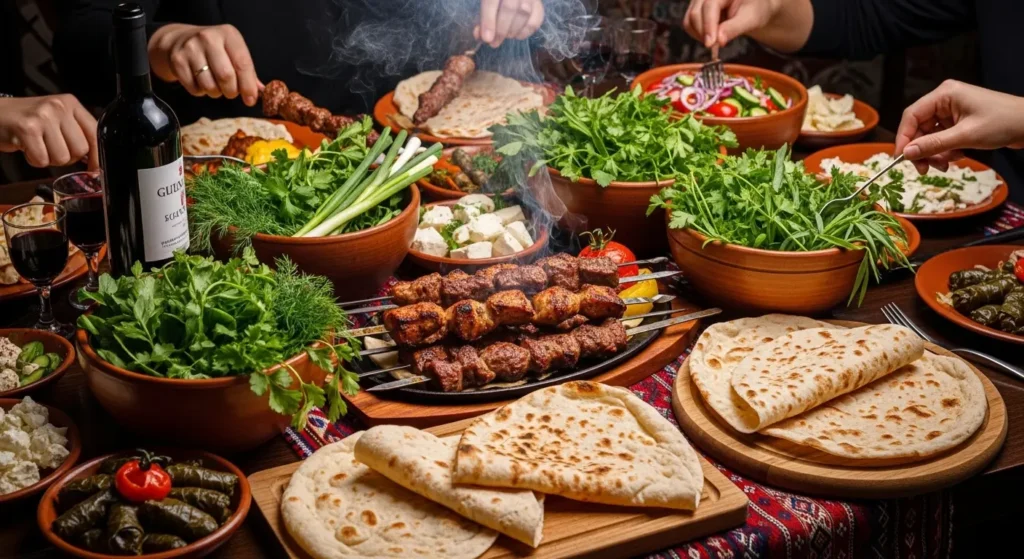
Picture this: the scent of smoking charcoal fills the air. 🔥 A family gathers around a table groaning with platters of fresh herbs, vibrant salads, and sizzling, skewered meat. 🥗🥩 Laughter echoes, and a piece of warm, paper-thin bread is torn, used to scoop up a tangy dip. This isn’t just a meal; it’s a scene repeated for centuries in Armenia, a country where food is the language of love, history, and resilience. ❤️ Similar to the deep-rooted culinary traditions we explored in our guide to Italy Food: More Than Just Pizza & Pasta, this is a cuisine with a profound story to tell.
If your experience with Armenian food begins and ends with a kebab, you’re in for a treat! 🎉 This is a culinary tradition rooted in one of the world’s oldest civilizations. It’s a hearty, flavorful, and surprisingly approachable world of tastes waiting to be discovered. Consider this your friendly guide, your first step into a food culture that will captivate your senses and leave you wondering why you hadn’t explored it sooner. ✨
A Taste of History Why Armenian Food Feels So Ancient and New 🏛️🍷
You can’t truly grasp Armenian food without understanding its context. Armenia sits at the crossroads of Europe and Asia, a location that has made it a historical thoroughfare for traders, empires, and migrating cultures. 🌍 This isn’t just trivia; it’s the reason your plate holds such a fascinating mix of influences.
The Armenian Highlands are considered one of the birthplaces of viticulture, yeah, they’ve been making wine for over 6,000 years! 🍇🍷 They were also among the first to cultivate wheat and other critical grains. 🌾 This deep agricultural history means the cuisine isn’t built on fleeting trends, but on a profound, generational connection to the land.
But history here isn’t always gentle. The Armenian people have endured immense hardship, and their cuisine reflects a beautiful stubbornness a determination to preserve their identity through shared meals and recipes passed from grandmother to granddaughter. 👵❤️ Every dish feels like a preservation of memory. When you taste an Armenian meal, you’re tasting a piece of this enduring spirit. It’s food that’s built to nourish, to bring people together, and to celebrate life itself. 🥳
The Holy Trinity of the Armenian Pantry 🌿🧂
So, what gives this food its distinctive character? While the list of ingredients is long, a few key players show up again and again, forming the backbone of the flavor profile. 🥄
- Grass-Fed Meats: 🥩 Lamb is the undisputed king 👑, prized for its rich, gamey flavor. Beef and chicken are also common, but the preference for lamb, especially in celebratory dishes, is a cultural signature. The meat is often simply seasoned to let its natural quality shine. ✨
- A Garden of Fresh Herbs: 🌿 Armenians don’t just use herbs as a garnish; they treat them as a central component. Massive bunches of fresh tarragon, basil, cilantro, dill, and parsley are placed directly on the table. You tear them with your hands and eat them alongside your meal, creating bursts of fresh, aromatic flavor with every bite. 🌱
- The “Secret” Spices: 🌶️ Don’t expect blistering heat. If you loved discovering the balance of exotic spices in our Thailand Food Decoded guide, you’ll deeply appreciate the aromatic warmth of Armenian seasoning. The most crucial blend is chaiman, a fragrant mix of cumin, coriander, garlic, and paprika. You’ll also find sumac everywhere, a crushed burgundy-colored berry that adds a wonderful tangy, lemony zing to grilled meats and salads. 🍋
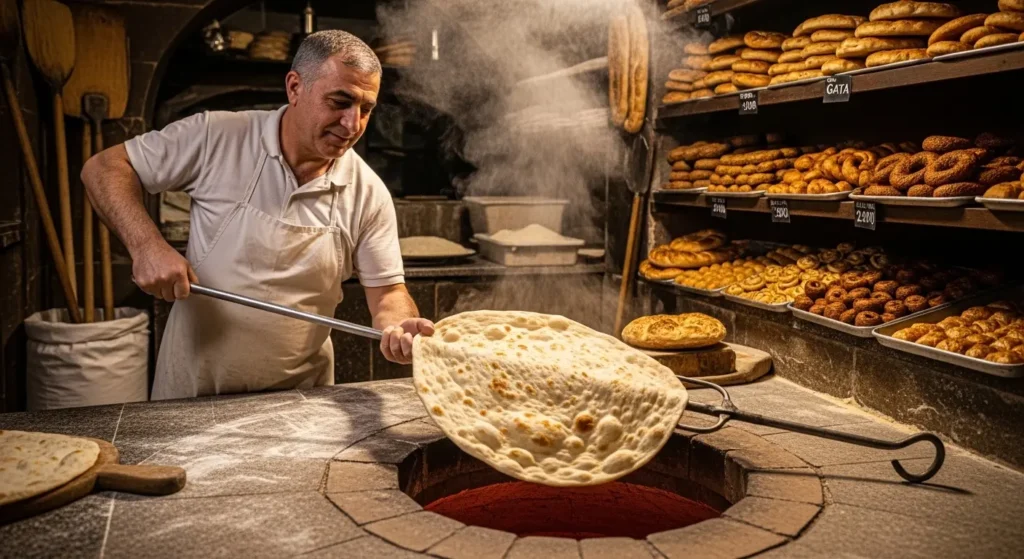
- Lavash, The Edible Tablecloth: 🫓 This is more than just bread. Lavash is a soft, thin, unleavened flatbread that is so central to the culture it’s been inscribed on UNESCO’s Intangible Cultural Heritage list. 📜 It’s used to scoop food, wrap kebabs, and even line the underground clay ovens called tonirs to bake other dishes. It’s the ultimate edible utensil! 🍽️
Must-Try Dishes Your Armenian Food Bucket List 📝😋
Ready to move from theory to practice? Here are the essential dishes you need to seek out or, even better, try to make at home. 👨🍳👩🍳
The Main Events Hearty & Flavorful Feasts 🍖
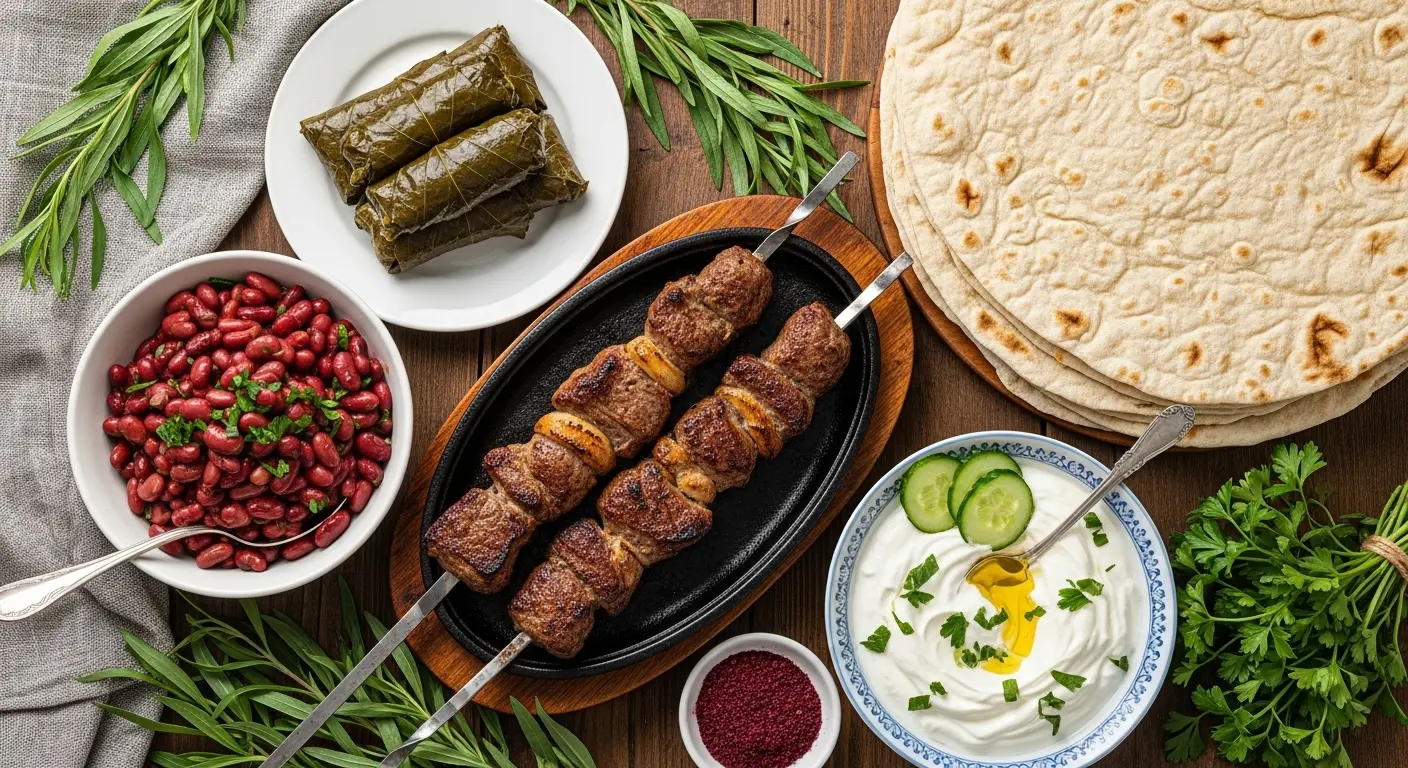
- Khorovats (The Armenian Barbecue): 🔥 Let’s clear this up first. While we often say “kebab,” the proper Armenian term is Khorovats. It refers to any meat grilled over fire, but the most iconic version is chunks of marinated pork or lamb grilled on skewers. The exterior is charred and crispy, the interior juicy and tender. It’s the centerpiece of any gathering. 🍢
- Harissa: The Food of Resilience: 🥣 This is Armenia in a pot. Harissa is a simple, porridge-like dish made from slowly simmering wheat berries and tender chicken or lamb until they meld into a comforting, savory mass. It’s a dish of survival, historically made in large batches for communities, and it carries a deep emotional weight. 🕊️
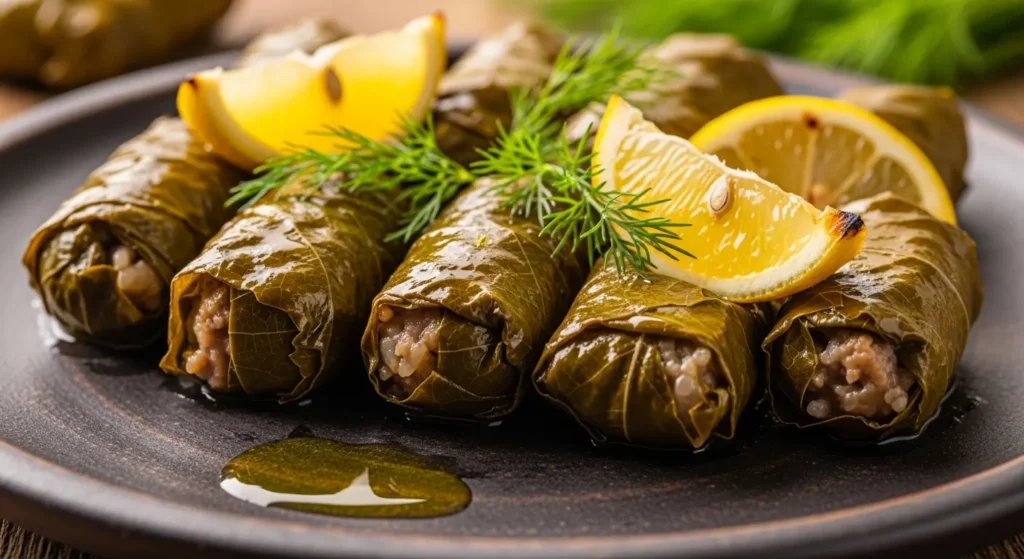
- Dolma: The Stuffed Grape Leaf (and Beyond): 🍇 The name dolma comes from the Turkish verb “to fill.” And Armenians are masters of filling! The most famous version is grape leaves stuffed with a mixture of ground meat, rice, and herbs, simmered in a lemony broth. 🍋 But don’t stop there! They also stuff onions, tomatoes, peppers, and even cabbage. 🍅🧅
The Supporting Cast Breads, Dips, and Salads 🥗🥖
- Lavash: 🫓 As mentioned, it’s non-negotiable. You haven’t eaten Armenian food until you’ve torn a piece of warm lavash.
- Lule Kebab: 🥩 Think of this as the Armenian version of a kofta kebab. It’s made from ground meat (usually lamb and beef mixed) seasoned with onions and spices, shaped around a skewer, and grilled. 🤤
- Echmiadzin Salad: 🥗 Named after the holy city, this is a hearty chopped salad of cooked beans, peas, lentils, and bell peppers, dressed with a simple walnut-oil vinaigrette. 🫘
- Matsun with Cucumber (Dzavar): 🥒 This is the Armenian cousin to Greek tzatziki. Matsun is a thick, tangy yogurt mixed with shredded cucumber, garlic, and dill. It’s the perfect cool, creamy counterpoint to smoky khorovats. 🥛
The Sweet Finale A Pastry Lover’s Dream 🍯🥐
Armenian desserts are a world of their own, often sweetened with honey and featuring nuts, filo dough, and semolina. 🥜
- Pakhlava: 🥮 Yes, it’s related to Baklava, but the Armenian version is distinct. It’s often less cloyingly sweet, spiced with cinnamon and cloves, and uses a honey-lemon syrup. 🍋
- Gata: ☕ A beloved coffee-time pastry. It’s a sweet bread or pastry filled with a rich, buttery paste of flour, sugar, and sometimes a touch of vanilla. Every region, and every family, has its own version! 🏡
Bringing It Home How to Experience Armenian Food 🏠🥢
You don’t need a passport to dive in. 🛂 The best way to start is to find a local Armenian restaurant or bakery. Look for a place with a warm, family-run feel. Order a khorovats platter, a side of dzavar, and a stack of lavash. Don’t be shy, use your hands! 🙌
If you’re feeling adventurous in the kitchen, try making a simple salad with sumac or a pot of rice pilaf. 🍚 The ingredients are becoming more accessible in international grocery stores. It’s about the process, the smells, and the joy of sharing something made with your own hands. ✨
Your Armenian Food Questions, Answered (FAQs) ❓🤔
Q: Is Armenian food very spicy? 🌶️
A: Not at all. While it’s incredibly flavorful, it doesn’t rely on chili heat. The warmth comes from spices like cumin, coriander, and paprika, and the tang from sumac and lemon. 🍋
Q: I’m a vegetarian. Will I find options? 🥦
A: Absolutely! While meat is prominent, there is a wealth of vegetarian food. Think of all the stuffed vegetables (dolma), the extensive use of beans and lentils in salads like Echmiadzin, the plethora of fresh herb plates, and cheese-filled pastries. You won’t go hungry! 🧀🥗
Q: How is Armenian food different from its neighbors, like Turkish or Lebanese? 🗺️
A: This is a great question. There’s significant overlap because of shared geography and history. However, Armenian cuisine often has a distinct emphasis on specific ingredients like lamb, a prolific use of fresh tarragon and other herbs directly at the table, and unique dishes like Harissa that hold deep cultural significance. 🍲
Q: What’s the proper way to pronounce “Lavash”? 🗣️
A: Don’t worry, it’s easy! It’s pronounced “luh-VAHSH,” with the emphasis on the second syllable. 🫓
Q: Where can I learn more about the history behind these dishes? 🏛️
A: For a deep and authentic dive, the Armenian Museum of America has wonderful resources on its website that explore cultural traditions, including food. 🖼️
A Final Bite to Remember 🥂
Armenian food is more than a list of ingredients or recipes. It’s a testament to the power of the table to tell a story, to heal, and to connect us. 💞 It’s robust and delicate, ancient and vibrantly alive. It’s the scent of herbs on your fingers after a meal, the shared laughter over a sizzling grill, and the profound sense of hospitality that says, “You are welcome here.” 🤝
So, take that step. Seek out that flavor. Your culinary world is about to get a whole lot richer! 🌟
Na khndrem! (Let’s eat!) 🍽️🇦🇲
By Yaz Explore | YazExplore