Table of Contents
🥢 Beyond Kimchi: Your Flavorful First Dive into South Korean Food
Let’s be honest. When you think of South Korean food, one word probably pops into your head first: kimchi. 🥬 And for good reason! It’s the fiery, fermented soul of the cuisine. But if we stop there, we’re missing out on a whole universe of flavor. Korean food is a thrilling rollercoaster for your taste buds, a beautiful, sometimes chaotic, harmony of spicy, sweet, salty, and sour. 🌶️🍯
Maybe you’ve walked past a Korean restaurant, intrigued by the sizzle sounds and incredible smells, but felt a little intimidated. The menu seems long, the names are unfamiliar, and you’re not sure what to order. Sound familiar? 🤔
Don’t worry, you’re not alone. I remember my first time; I just pointed at a picture and hoped for the best. But that’s the fun of it! This guide is your friendly compass to navigating the vibrant, delicious world of Korean cuisine. We’re going to move beyond the basics and explore the dishes that will make you fall in love. Much like discovering the depths of Chinese Food: More Than Just Takeout, diving into Korean cuisine will completely change your culinary perspective. So, take a deep breath, and let’s get started. 🚀
❤️ The Heartbeat of the Table: Kimchi & Banchan
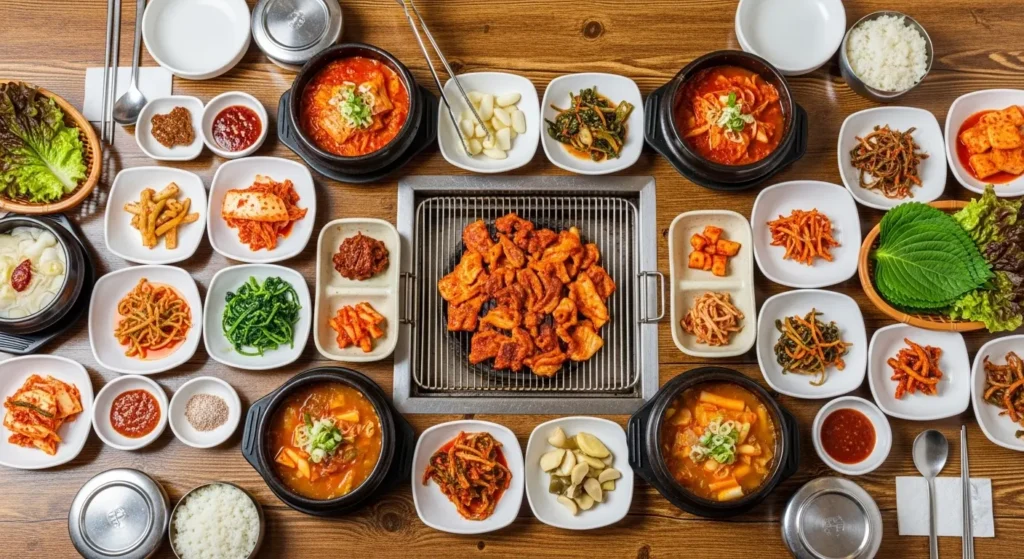
Before we dive into the main events, you need to understand the rhythm of a Korean meal. It’s rarely just one plate. It’s a symphony of shared dishes and small sides. 🥣🎶
🌶️ Kimchi: The Indispensable Icon
Yes, we said we’re going beyond it, but we have to pay respects first. Kimchi isn’t just a side dish; it’s a cultural cornerstone. At its core, it’s fermented vegetables, most famously napa cabbage and Korean radishes, slathered in a paste of chili powder, garlic, ginger, and fish sauce. The result? A tangy, spicy, umami-packed powerhouse that’s incredibly good for your gut. 💪 There are hundreds of varieties, and every family has their own recipe. It’s served with almost every meal, and its flavor evolves with time, getting deeper and more complex.
🥗 Banchan: The Supporting Cast That Steals the Show
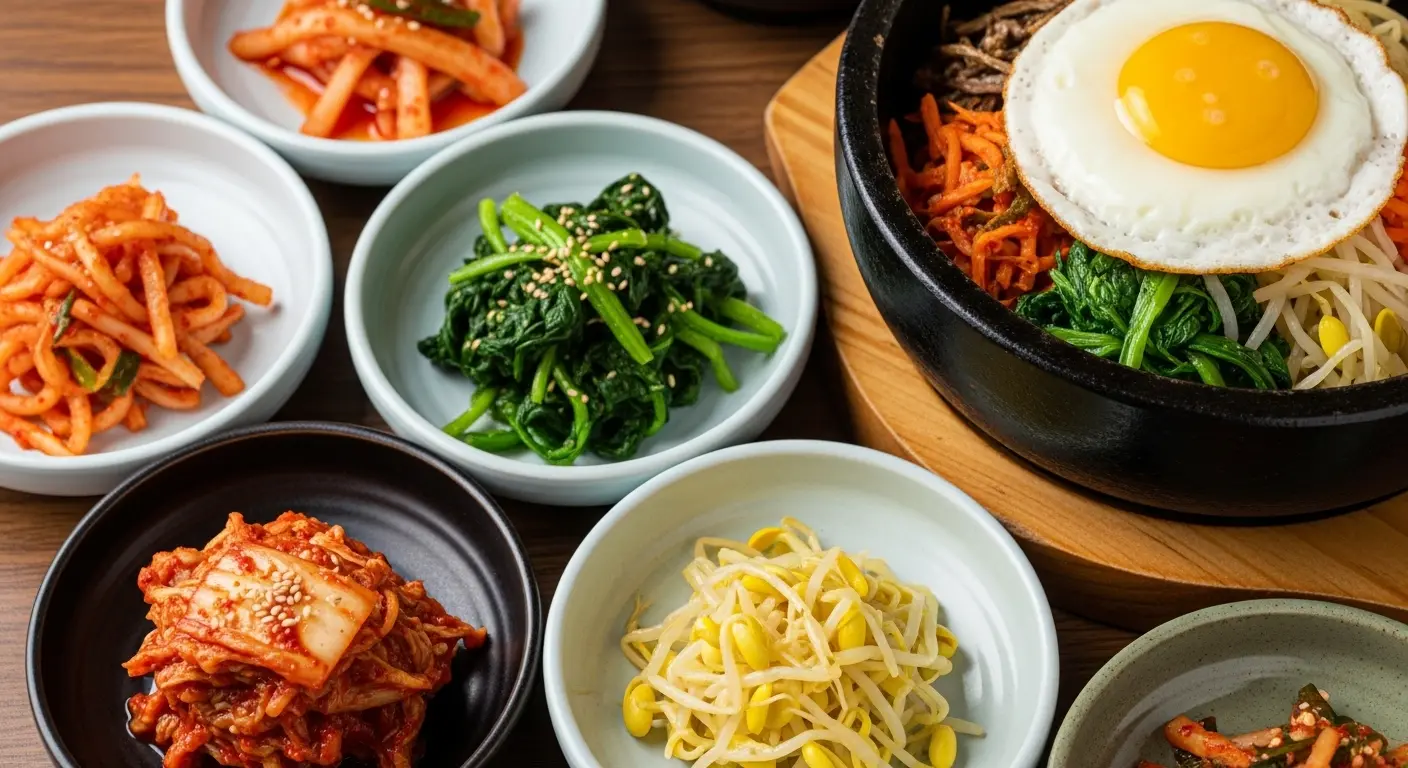
Alongside your main course, a delightful army of small side dishes will cover your table. This is banchan. It’s not just a few items; it can be a spread of ten or more different tastes and textures! 😲 You’ll find:
| Banchan Name | Description |
|---|---|
| Seasoned Spinach (Sigeumchi-namul) 🥬 | Blanched and lightly seasoned with sesame oil and soy sauce. |
| Bean Sprouts (Kongnamul) 🌱 | A simple, crunchy, and refreshing staple. |
| Potatoes (Gamja-jorim) 🥔 | Sweet and savory braised potatoes that are downright addictive. |
| Pancakes (Jeon) 🥞 | Savory, pan-fried delights made with seafood, kimchi, or scallions. |
The best part? They’re almost always refillable. Don’t be shy about asking for more of your favorite! 🙋♀️
🌟 The Main Attractions A Tour of Can’t-Miss Korean Dishes
Now, for the stars of the show. Here’s a curated list of beginner-friendly dishes that showcase the incredible diversity of Korean food. 🥘
🔥 The Sizzling Social Experience: Korean BBQ (Gogi-gui)
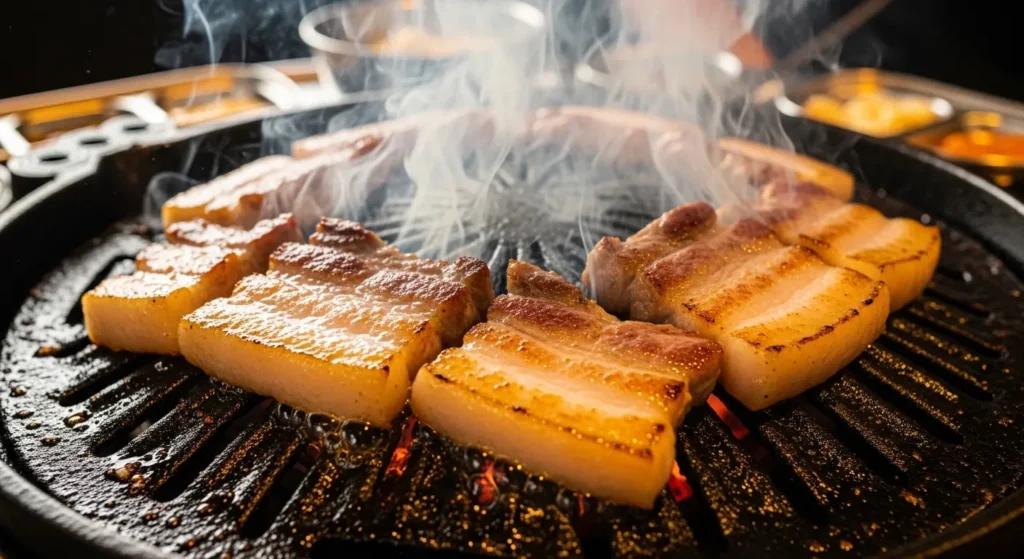
If there’s one Korean food experience that has taken the world by storm, it’s Korean BBQ. 🥩 This isn’t just a meal; it’s an event. You grill your own meat right at the table, filling the air with an irresistible aroma. 🤤
- What to order: Start with samgyeopsal (thick, unseasoned pork belly). It’s simple, it’s fat renders down to create a beautifully crispy exterior, and it’s a perfect canvas for the accompanying sauces.
- How to eat it: The classic way is to take a lettuce leaf (sangchu) or a perilla leaf (kkaennip), add a piece of grilled meat, a dab of ssamjang (a thick, savory fermented bean paste), maybe some garlic or a pepper, and wrap it all up into a neat little package. 🥬 Pop it in your mouth in one go. It’s a burst of textures and flavors: cool, crisp lettuce, hot, savory meat, and pungent, spicy sauce.
🍲 The Ultimate Comfort Food Stews & Soups (Jjigae & Guk)
Koreans have a deep, almost spiritual connection to their stews. They’re the culinary equivalent of a warm hug, perfect for a cold day or when you need a little comfort. 🥰
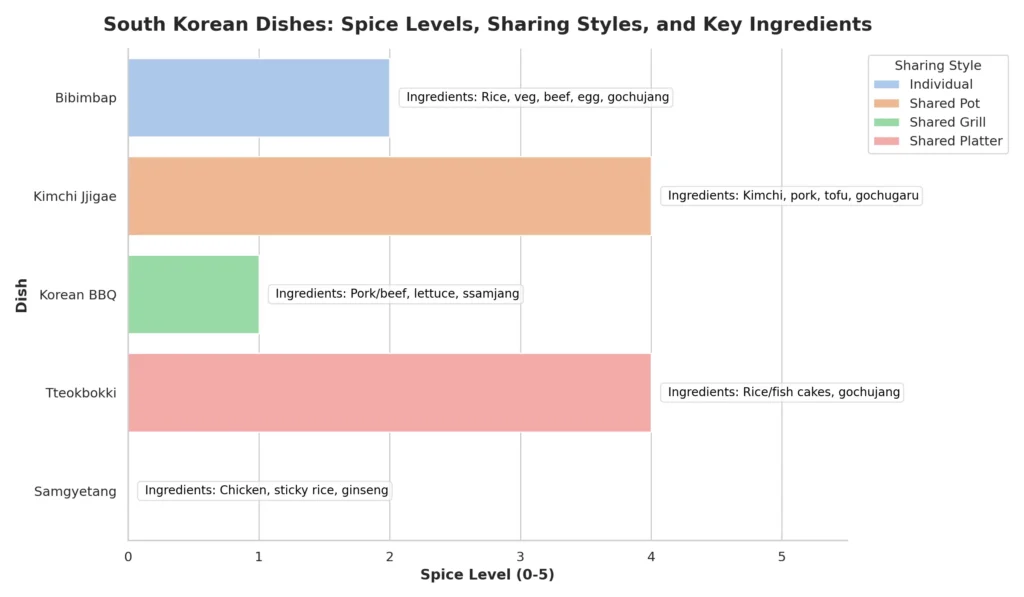
- Kimchi Jjigae: This is the king of comfort stews. 👑 It’s made with well-fermented (sour) kimchi, tofu, pork, and vegetables in a spicy, hearty broth. The sourness of the kimchi cuts through the richness of the pork, creating a deeply satisfying balance. It’s often served bubbling hot in a stone pot (dolsot).
- Doenjang Jjigae: If you’re not into intense spice, this is your go-to. It’s a fermented soybean paste stew, packed with vegetables like zucchini, potatoes, and tofu. 🥔 It has a deep, earthy, umami flavor that’s less spicy but just as complex as its red counterpart.
- Army Base Stew (Budae Jjigae): A fascinating piece of modern Korean history in a pot. 🎖️ Born from post-Korean War scarcity, it combines classic Korean flavors with American processed foods like Spam, hot dogs, and baked beans. It sounds wild, but the combination is strangely and wonderfully delicious. 🥫
🍗 The National Obsession Fried Chicken (Yangnyeom Tongdak)
Forget everything you know about fried chicken. The South Korean version is in a league of its own! 🏆 It’s fried not once, but twice, creating an impossibly crispy, crackly, and non-greasy crust.
- What to order: You have two main paths. Yangnyeom Chicken is tossed in a sweet, spicy, and sticky gochujang-based sauce. It’s the iconic choice. 🌶️🍯 Or, you can go for Fried Chicken (Huraideu Chikin), which is pure, unadorned, and perfect for dipping in a radish-based sauce. The best move? Order a half-and-half plate to try both! 🍽️
🍚 A Bowl of Harmony: Bibimbap
Bibimbap literally means “mixed rice,” and it’s a perfect introduction to the Korean philosophy of balance. ⚖️ It’s a beautiful bowl of warm rice topped with an artful arrangement of seasoned vegetables, protein (often beef), a fried egg, and a dollop of potent gochujang (red chili paste). 🍳
- The Experience: The joy is in the mixing. You take your spoon and vigorously mix everything together until the colors and flavors are fully integrated. 🥄 The runny egg yolk creates a rich sauce that coats every grain of rice. If you get it in a hot stone pot (dolsot bibimbap), the bottom layer of rice gets wonderfully crispy, adding another fantastic texture.
🧭 Navigating Your First Korean Meal Like a Pro
Feeling overwhelmed is normal, but a few simple tips will make you feel like a seasoned pro. If you enjoyed the hearty and communal aspect of our guide on Irish Food Explained, you will absolutely love the shared dining experience in Korea! 🤝🍀
- Embrace the Metal Chopsticks: Korean chopsticks are typically thin, flat, and made of metal. 🥢 They can be slippery at first, but you’ll get the hang of it. Remember, it’s okay to use your spoon for rice and stews, it’s actually the polite way!
- Start Mild, Then Go Wild: If you’re sensitive to spice, communicate that. 🥵 You can often ask for dishes to be less spicy (maepssi jom joodeo juseyo is a handy phrase). Start with dishes like bibimbap (you control the sauce) or doenjang jjigae.
- It’s Okay to Share: Korean dining is communal. Order a few different main dishes and a bunch of banchan for the table and share everything. It’s the best way to taste a wide variety of flavors! 🍽️
✨ Your Korean Food Journey is Just Beginning
The world of South Korean food is vast and deeply rewarding. We’ve only scratched the surface of classics like savory pancakes (pajeon), cold noodle soups (naengmyeon), and rolled rice cakes (kimbap). But consider this your launchpad. 🚀
The real magic happens when you step into a restaurant and experience it for yourself. Let the sounds, smells, and communal spirit guide you. Be a little adventurous. Your taste buds will thank you! 😋
❓ Frequently Asked Questions (FAQs)
Q: I’m a vegetarian. Is Korean food vegetarian-friendly? 🌱
A: It can be tricky, but it’s absolutely possible! Many banchan, like seasoned spinach and bean sprouts, are vegan. Dishes like bibimbap can be made without meat or egg (ask for “chaesik”). Doenjang jjigae is often vegetarian, but you must confirm the broth isn’t made with anchovies. Always communicate your dietary needs clearly. 🗣️
Q: What’s the difference between kimchi and sauerkraut? 🥬
A: While both are fermented cabbage, they’re quite different. Sauerkraut is primarily sour from lactic acid fermentation, while kimchi is a complex blend of spicy (gochugaru chili powder), savory (garlic, ginger), salty, and sour flavors, often with a funky umami kick from fish sauce or salted shrimp. 🦐
Q: What is that delicious red paste I see everywhere? 🌶️
A: That’s gochujang! It’s a fermented red chili paste made from chili powder, glutinous rice, fermented soybeans, and salt. It’s sweet, spicy, and deeply savory all at once. It’s the base for many sauces and marinades and is a true cornerstone of the cuisine. 🧱
Q: Where can I learn to cook simple Korean dishes at home? 🧑🍳
A: A fantastic and authoritative resource for home cooks is Maangchi. Her website and YouTube channel are treasure troves of authentic, well-explained recipes that are perfect for beginners. You can find her at Maangchi.com. 💻
Q: Is every Korean dish incredibly spicy? 🥵
A: Not at all! This is a common misconception. While many famous dishes are spicy, there’s a huge variety of mild food. Dishes like galbi (marinated short ribs), pajeon (scallion pancake), and gimbap (seaweed rice rolls) are wonderfully flavorful without any heat. There’s something for every palate. 🍽️

By Yaz Explore | YazExplore