Table of Contents
🌮 Secret Guide to Authentic Flavors 🌮
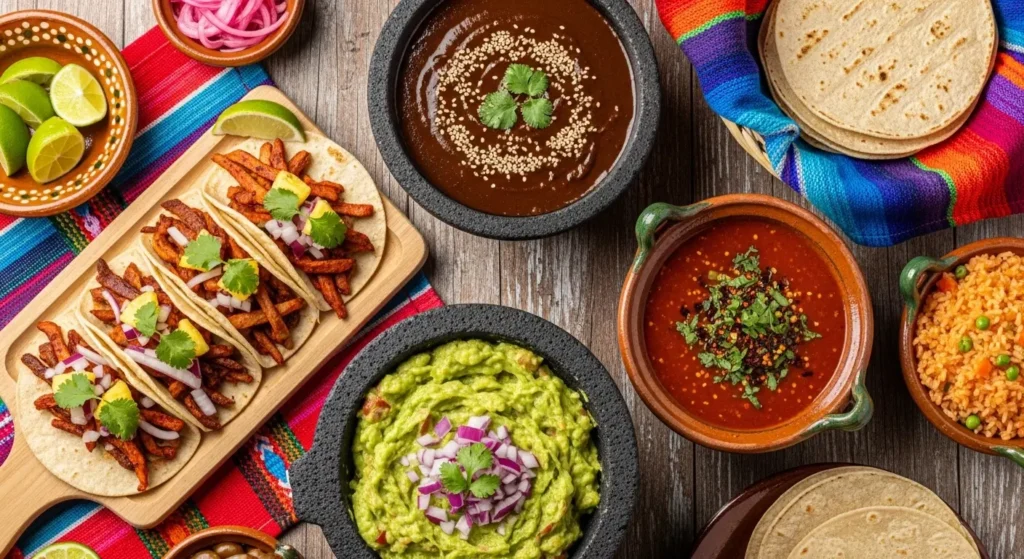
You know the scene. The sizzling platter arrives at the table, steaming and vibrant. It’s a symphony of colors: the deep red of smoky salsa, the bright white of crumbled cotija cheese, the rich green of creamy avocado. 🥑 The aroma hits you first, a complex blend of earthy cumin, fiery chilies, and slow-roasted meat. This is Mexican food. But if your experience with it starts and ends at a combination plate from a local spot, you’re missing out on one of the world’s most diverse and soul-satisfying cuisines. 🌎✨
Maybe you’ve felt a little intimidated staring at a menu filled with words like cochinita pibil, chiles en nogada, or huitlacoche. Or perhaps you wonder what truly makes a taco authentic. You’re not alone. Mexican cuisine is a vast universe, rooted in ancient traditions and shaped by a fascinating history. It’s so much more than just cheesy nachos and ground beef in a hard shell (though those have their place as tasty Tex-Mex inventions!). 🌯
This guide is your friendly passport. We’re going to wander beyond the buffet line and explore the real heart of Mexican cooking. We’ll uncover its core ingredients, decode the must-try dishes, and share a few tips so you can navigate any taquería or restaurant with the confidence of a seasoned foodie. Ready? Let’s dive in. 🏊♂️🍽️
🏛️ A Taste of Time| The Roots of Mexican Cuisine
To really appreciate Mexican food, you have to understand its incredible history. It’s a story of two worlds colliding in the most delicious way possible. 💥
Imagine Mexico thousands of years ago. The Maya, Aztec, and other indigenous civilizations were cultivating an incredible pantry. Their diet was built on the “Three Sisters”:
🌽 The “Three Sisters” of Indigenous Mexican Agriculture
| Ingredient | Spanish Name | Role in Mexican Cuisine |
|---|---|---|
| Corn | Maíz | The absolute cornerstone. Soaked in an alkaline solution (nixtamalized), it becomes more nutritious and is ground into masa for tortillas and tamales. |
| Beans | Frijoles | A crucial source of daily protein, often simmered for hours and served whole or refried. |
| Squash | Calabaza | Used in stews and soups. Includes pumpkins and their highly nutritious seeds (pepitas). |
To this, they added tomatoes, avocados, chocolate, vanilla, and a stunning variety of chilies. Then, in the 16th century, the Spanish arrived, bringing with them new animals like pigs, chickens, and cattle, along with dairy products, rice, wheat, and spices like cinnamon and cumin. 🚢🐄
The fusion of these two culinary worlds created the Mexican cuisine we know and love today. It’s why you have a corn tortilla (indigenous) filled with slow-roasted pork (Spanish influence) and topped with onions, cilantro, and salsa (indigenous). This history is so vital that UNESCO recognized traditional Mexican cuisine as an Intangible Cultural Heritage of Humanity, a testament to its importance to the world. 🏆
🌶️ The Building Blocks| Your Mexican Pantry Primer
Every great cuisine has its essential ingredients. Get familiar with these, and you’ll start to see the patterns in every dish. (Pro tip: If you love discovering foundational ingredients, you might also enjoy exploring the fresh herbs in our Vietnamese Food Explained: Your Easy & Flavorful Starter Guide🍜).
🌽 Corn is King
Forget everything you know about sweet corn on the cob. In Mexico, corn is a savory staple. That nixtamalized corn dough, masa, is the soul of the cuisine. It’s pressed into tortillas, wrapped around fillings for tamales, and formed into thick discs for sopes and gorditas. The taste is earthy, slightly nutty, and unmistakable. 🥟
🔥 The Incredible Chili Pepper
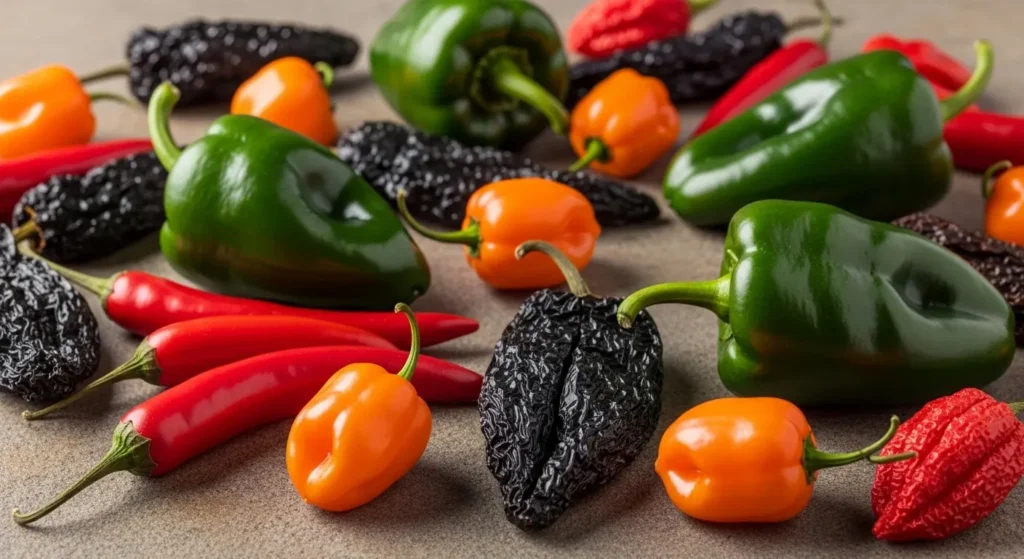
This is where the magic and the heat happen. Mexican cooking uses a breathtaking array of fresh and dried chilies, each with its own unique flavor profile, not just its place on the Scoville Scale (a globally recognized measurement of chili pepper pungency). 🌶️🔥
🌶️ Quick Guide to Mexican Chili Peppers
| Fresh Chili | Dried/Smoked Version | Flavor Profile & Common Uses |
|---|---|---|
| Jalapeño | Chipotle | Familiar, bright heat fresh. When dried/smoked, it becomes deep, smoky, and spicy. |
| Poblano | Ancho | Large and mild fresh (used in Chiles en Nogada). When dried, it’s sweet, fruity, and raisin-like. |
| Habanero | N/A | Extremely hot with a distinct floral and citrus aroma behind its fiery punch. Common in Yucatán. |
🌿 The Holy Trinity of Freshness: Cilantro, Onion, Lime
Walk through any Mexican market, and you’ll see piles of bright green cilantro, white onions, and green limes. 🧅🍋 This trio is the finishing touch on countless dishes, providing a crucial burst of freshness that cuts through rich, spicy, and fatty flavors. A squeeze of lime and a sprinkle of chopped onion and cilantro can transform a simple taco into a perfect bite.
🍽️ A Tour of the Menu| Dishes You Need to Know
Let’s move from theory to practice. Here’s a hit list of classic dishes to look for on your next culinary adventure. 🗺️
🌮 Tacos: The Art of Simplicity
Forget the pre-made hard shells. An authentic Mexican taco is a soft, warm corn tortilla holding a simple, well-seasoned filling. Some iconic varieties include:
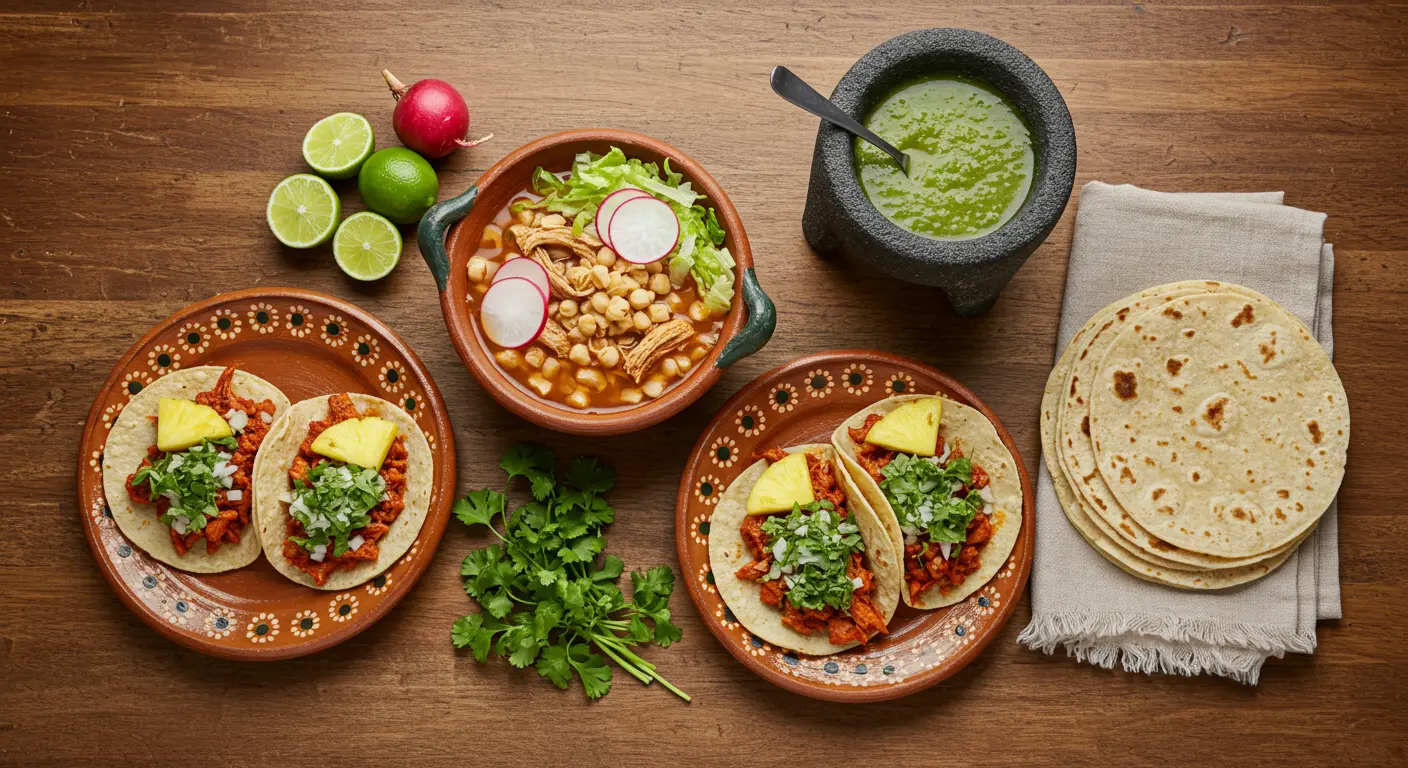
- Tacos al Pastor: 🍍 Perhaps the greatest fusion story. Inspired by Lebanese shawarma, thin slices of pork are marinated in chilies and achiote, then stacked on a vertical spit (trompo) and slow-cooked. It’s shaved off and served with a slice of pineapple.
- Carnitas: 🐖 Literally meaning “little meats,” this is pork shoulder slow-braised in its own fat until it’s unbelievably tender and crispy on the edges.
- Tacos de Pescado: 🐟 Baja California’s gift to the world: lightly battered and fried fish tucked into a tortilla with a crunchy cabbage slaw and a creamy white sauce.
🥣 The Wonderful World of Salsa
Salsa is not just a red or green dip; it’s an essential condiment with endless variations. Just like the bold, fermented flavors you might encounter in our South Korean Food Guide 🥢, Mexican salsas offer a complex and adventurous tasting experience. From the simple pico de gallo to the complex salsa macha made with dried chilies and nuts, there’s a salsa for every occasion. 🍅
🍲 Hearty Stews and Casseroles
When you want something more substantial, look for these comforting dishes:
- Mole: 🍫 The pinnacle of Mexican culinary complexity. Mole is a rich, intricate blend of sometimes 20+ ingredients, including chilies, spices, nuts, seeds, and a small amount of chocolate.
- Chiles Rellenos: 🧀 A roasted poblano pepper stuffed with cheese or picadillo, dipped in a fluffy egg batter, lightly fried, and smothered in a tomato sauce.
- Pozole: 🥣 A hearty hominy stew, traditionally made with pork or chicken. It’s served with an array of toppings like shredded lettuce, radishes, and oregano.
💡 Eating Like a Local: Tips for Your Next Meal
Feeling more confident? Here’s how to take it to the next level:
- Corn vs. Flour Tortillas: Corn is the traditional choice and is used for most tacos. Flour tortillas are more common in the northern states of Mexico and are typically used for burritos and quesadillas. When in doubt, go with corn. 🌾
- The Condiment Ritual: Your meal will often arrive with a selection of salsas. Always taste a tiny bit on a chip first! That vibrant green salsa might be a mild tomatillo, or it could be a blistering habanero. 🥵
- Explore Beyond the Restaurant: The real soul of Mexican food is often found in markets and street stalls. Don’t be afraid to try a taquería or a market stall; just look for a spot with a crowd of locals. 🛒

❓ Frequently Asked Questions (FAQs)
Q: Is Mexican food always spicy?
A: Not at all! While chilies are a key ingredient, their purpose is often to add depth of flavor, not just heat. Many dishes are not inherently spicy. The heat usually comes from the salsas that you add yourself. 🌶️👌
Q: What’s the difference between Mexican food and Tex-Mex?
A: Tex-Mex is a delicious cuisine in its own right, born in Texas. It features ingredients like yellow cheese, ground beef, sour cream, and hard-shell tacos. Authentic Mexican food relies more on fresh ingredients, complex sauces like mole, and a wider variety of corn-based dishes. 🧀🌮
Q: I’m a vegetarian. Is Mexican food vegetarian-friendly?
A: Absolutely! Look for dishes like queso fundido (without chorizo), rajas con crema (roasted poblano strips in cream), hongos (mushroom) tacos, and flor de calabaza (squash blossom) quesadillas. 🌱
Q: What’s a good drink to pair with Mexican food?
A: A cold, crisp Mexican lager is a classic pairing. For non-alcoholic options, you can’t beat a freshly made agua fresca, light, refreshing drinks made from fruit, rice (horchata), or hibiscus (jamaica). 🍉🍹
✨ Your Flavorful Journey Awaits
So, the next time you have a chance to explore Mexican food, see it as an adventure. Skip the predictable combo plate and be a little adventurous. Order the tacos al pastor you can now pronounce. Ask about the specials. Be brave with the salsa. 🎉
This cuisine is a vibrant, living tradition meant to be shared and enjoyed. It’s a journey of flavor that’s well worth taking. Now, who’s hungry? 🤤🍴 shared and enjoyed. It’s about the joy of a perfectly simple taco and the awe-inspiring complexity of a generations-old mole. It’s a journey of flavor that’s well worth taking. Now, who’s hungry?

By Yaz Explore | YazExplore