Table of Contents
A Beginner’s Guide to Japanese Food 🇯🇵🍣| Your Passport to a Delicious Adventure 🤤
Imagine this: you’re sitting in a cozy restaurant, staring at a menu filled with unfamiliar names: ramen, donburi, izakaya. Maybe you love a good California roll 🍱, but you have a feeling there’s a whole world of Japanese food you’re missing out on. Where do you even begin? 🤔
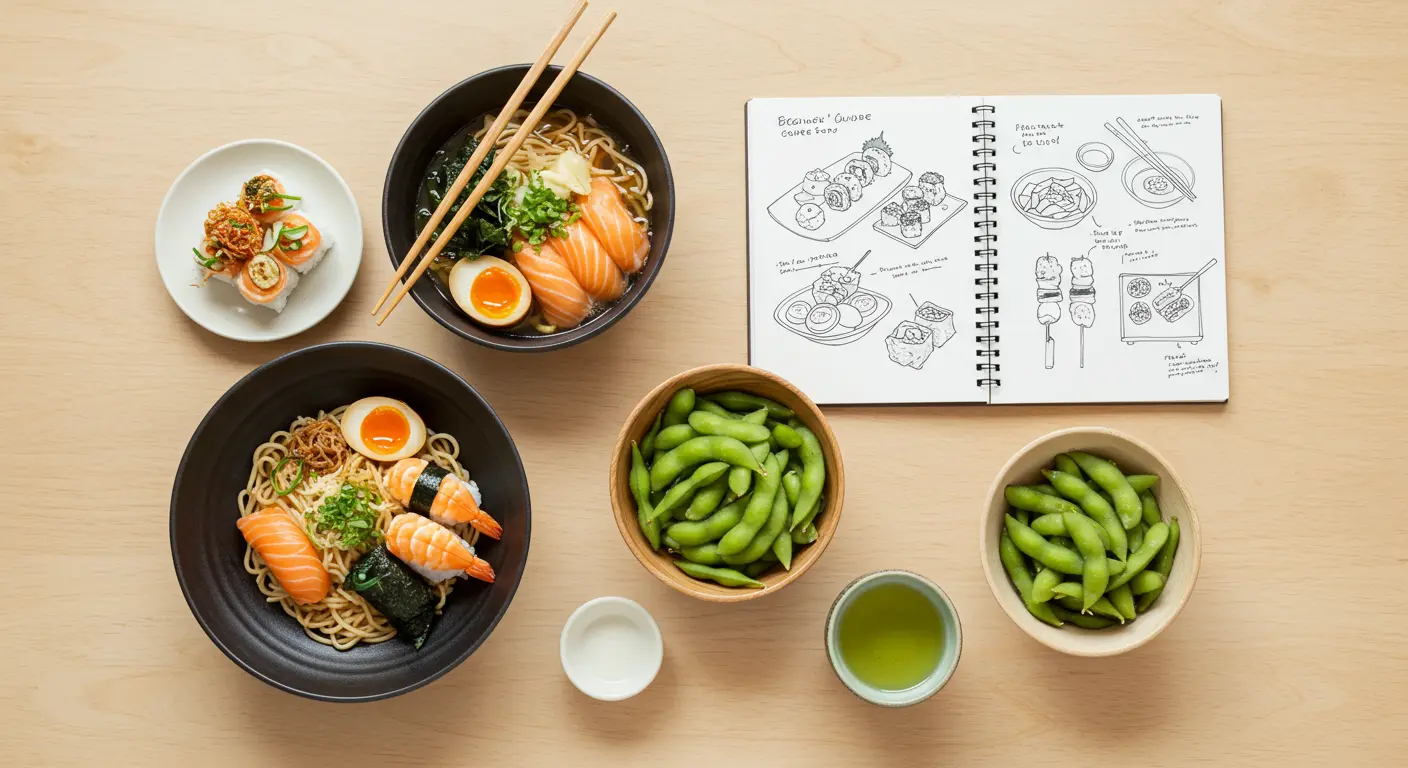
You’re not alone! Japanese cuisine, or washoku, can seem intimidating at first glance. But beneath its elegant surface lies an incredibly approachable and deeply satisfying culinary world built on simplicity, seasonality, and sheer deliciousness 🤤. It’s not just about raw fish; it’s about comforting bowls of noodles 🍜, sizzling grilled meats 🍢, and delicate flavors that have been perfected over centuries.
This guide is your friendly starting point. We’re going to move beyond the sushi train and explore the heart of Japanese food. By the end, you’ll not only know what to order, but you’ll understand the stories behind the dishes, helping you appreciate every bite! ✨
(If you love exploring global flavors, be sure also to check out our Thailand Food Decoded: Your Guide to Flavors, Dishes & Secrets for another amazing culinary journey!) 🌶️
🌸 What Makes Japanese Food So Special? The Soul of Washoku
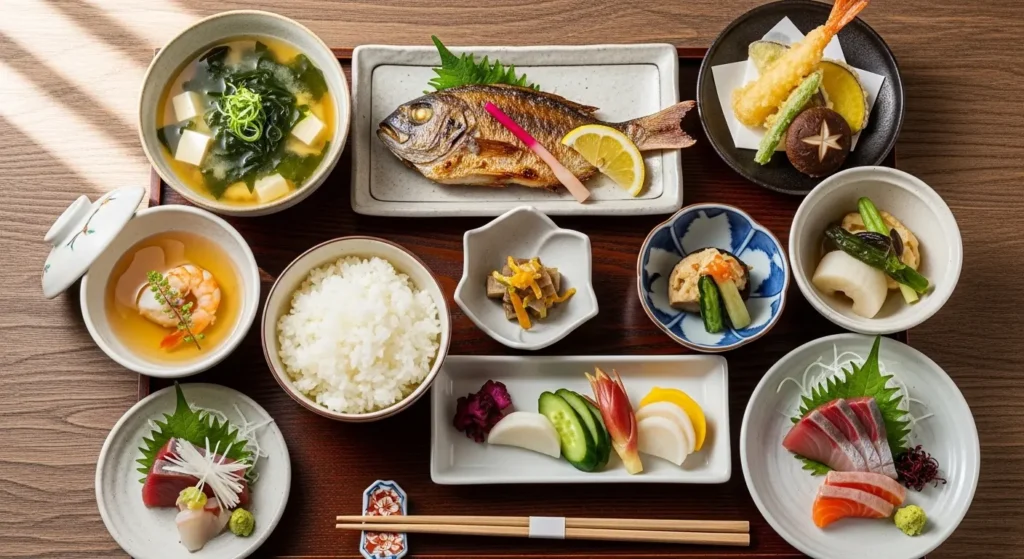
Before we dive into specific dishes, it helps to understand the philosophy. Japanese cooking is deeply rooted in a principle called ichiju-sansai (“one soup, three dishes”). This isn’t just a meal structure; it’s a mindset that values balance, nutrition, and harmony ⚖️.
Having lived in Tokyo for several years, I saw this philosophy in action every day, from a humble family dinner to a high-end kaiseki meal. The goal is never to overwhelm the palate but to celebrate each ingredient’s natural flavor 🌿.
Here are the three pillars that make Japanese food truly stand out:
| Pillar | Japanese Term | Description & Importance 🥢 |
|---|---|---|
| Umami | Umami (旨味) | The “fifth taste” (savory/mouthwatering). Achieved using ingredients like katsuobushi (bonito flakes), kombu (kelp), and soy sauce. |
| Seasonality | Shun (旬) | Focusing on ingredients at their absolute peak. Eating sweet potato in autumn or bamboo shoots in spring ensures max flavor. |
| Presentation | Moritsuke (盛り付け) | “We eat with our eyes first.” Dishes are visually appealing, often using seasonal garnishes like autumn maple leaves. |
🥢 Your Handy Guide to Must-Try Japanese Dishes (Beyond Sushi)
Let’s break down the menu! Here are some foundational dishes you’re almost guaranteed to encounter on your culinary adventure. 🗺️
1. The Wonderful World of Noodles 🍜
If you think Italian cuisine has a lock on pasta, think again. Japan offers an incredible variety of noodles, each with its own personality:
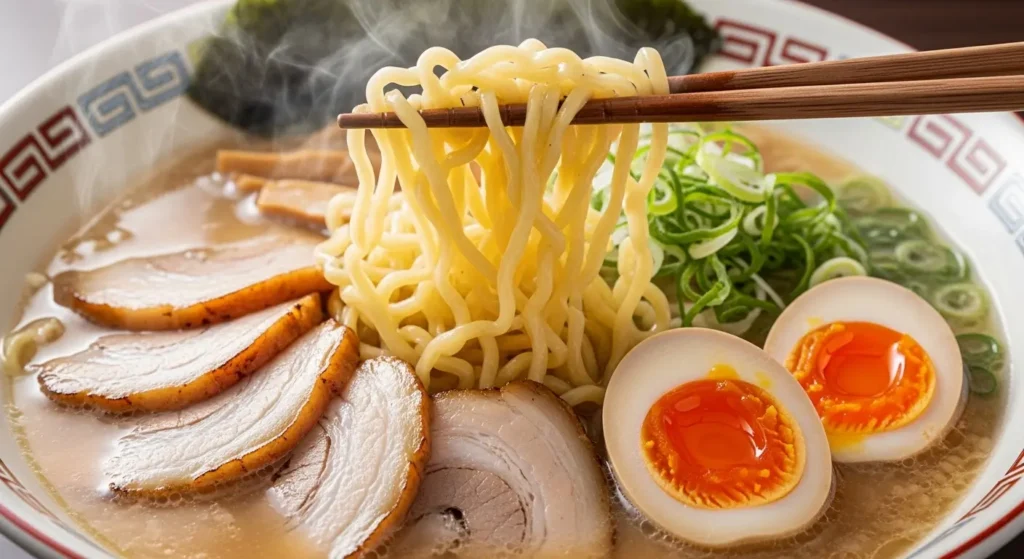
- Ramen: Forget the cheap instant packets of your college days. Authentic ramen is a serious art form! It consists of four key elements: the broth (rich tonkotsu, salty shoyu, or miso), the noodles, a savory seasoning (tare), and toppings like sliced pork (chashu).
- Soba: These thin, nutty-flavored noodles are made from buckwheat. Serve them chilled with a dipping sauce (zaru soba) 🧊 or hot in a flavorful broth (kake soba) ♨️.
- Udon: Thick, chewy, and comforting white wheat noodles. Udon is often served in a mild broth and topped with crispy tempura or green onions.
2. Donburi| The Ultimate Bowl Meal 🍚
Donburi literally means “bowl,” referring to a large bowl of steamed rice topped with just about anything. It’s quick, affordable, and incredibly satisfying!
| Donburi Type | Main Ingredients 🥩 | Flavor Profile & Fun Fact 💡 |
|---|---|---|
| Gyudon | Thinly sliced beef & onions | Simmered in a sweet soy/dashi sauce. A national fast-food favorite! |
| Katsudon | Deep-fried pork cutlet & egg | “Katsu” sounds like the verb “to win,” making it popular before exams. |
| Oyakodon | Chicken & egg | Translates to “parent-and-child,” a playful reference to its ingredients. |
(Enjoy reading about hearty meals? Check out our ultimate guide: Discover Austrian Food: Your Ultimate Beginner’s Guide & Must-Try Dishes!) 🥨
3. Izakaya| The Japanese Answer to Tapas 🍻
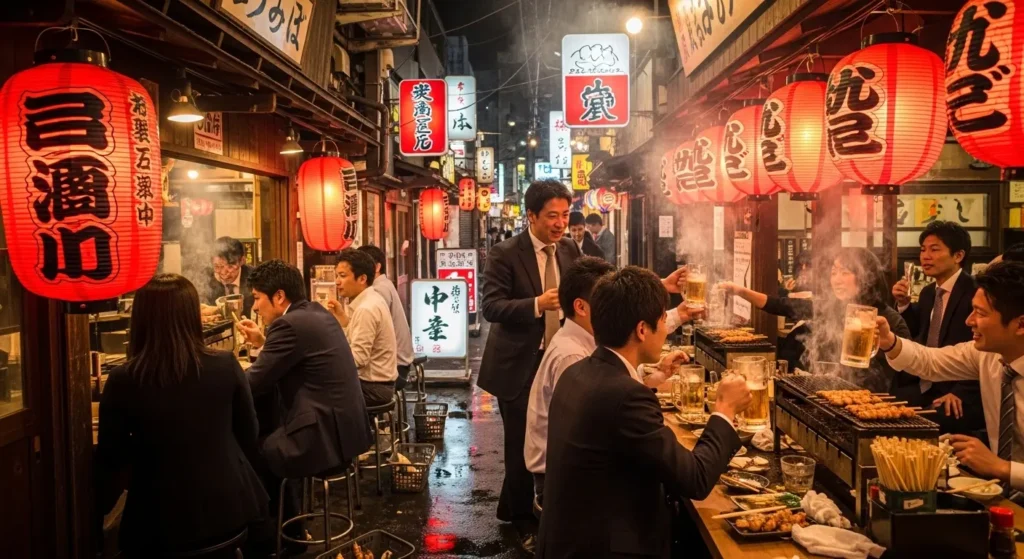
An izakaya is best described as a casual gastropub. It’s where friends go after work to drink beer or sake 🍶 and share small plates:
- Yakitori: Skewers of grilled chicken 🍢 seasoned with salt (shio) or a sweet soy-based sauce (tare).
- Edamame: Steamed soybeans sprinkled with salt, a classic starter.
- Karaage: Japanese-style fried chicken 🍗. Marinated in soy, garlic, and ginger, then deep-fried to crispy perfection.
4. Sushi & Sashimi: The Art of Simplicity 🍣
Yes, we said “beyond sushi,” but it’s still a cornerstone!
- Sashimi: The freshest possible raw fish, sliced expertly and served without rice. 🐟
- Nigiri: Hand-pressed vinegared rice topped with a slice of fish or seafood.
Pro Tip: It’s generally acceptable to eat nigiri with your hands. Dip the fish side, not the rice side, lightly into your soy sauce!
📝 How to Dive In| A Beginner’s Action Plan
Feeling inspired? Here’s how to take the first step:
- Find a Local Spot: Look for a restaurant with a picture menu. Don’t be shy about pointing! 👆
- Start with Something Familiar: If raw fish is daunting, begin with a comforting bowl of udon or a chicken katsu curry 🍛.
- Be Adventurous, Gradually: Next visit, try a simple salmon nigiri or share yakitori skewers.
- Embrace the Etiquette: It’s okay to slurp your noodles (it’s a sign of enjoyment!). The most important rule is to be respectful. 🙏 For more context on Japanese dining manners, Japan National Tourism Organization (JNTO) provides an excellent overview of cultural dining etiquette!
❓ Frequently Asked Questions (FAQs)
Q: I’m a vegetarian. Is Japanese food vegetarian-friendly? 🌱
A: It can be tricky, as many broths (like ramen) use fish stock (dashi). Look for vegan restaurants or shojin ryori (Buddhist temple cuisine). Vegetable tempura and edamame are great options!
Q: What’s the difference between soy sauce and tamari? 🍶
A: Tamari is a type of soy sauce that’s usually wheat-free (gluten-free friendly!). It has a richer, slightly milder flavor than regular soy sauce (shoyu).
Q: Is it rude to mix wasabi into my soy sauce? 🟢
A: In a high-end sushi restaurant, yes, the chef already applies the perfect amount. In a casual setting, it’s widely accepted.
Q: Where can I find reliable Japanese recipes to try at home? 🍳
A: For authentic recipes, I highly recommend Just One Cookbook, a fantastic site for step-by-step guides!
🛫 Your Delicious Journey Starts Now
Japanese food is more than a meal; it’s an experience. It’s a cuisine that invites you to slow down, appreciate the quality of each ingredient, and find joy in simplicity 🧘♀️. From the steam rising off a bowl of ramen to the delicate artistry of a sushi platter, every dish tells a story.
So, the next time you see a Japanese menu, see it as an invitation to explore. Be curious, ask questions, and take a tasty risk. A world of incredible flavor is waiting for you just beyond the first bite! 🇯🇵✨ first bite.

By Yaz Explore | YazExplore